
Post on Tuesday morning, ideally before 10am, with Monday and Wednesday as your backup days. That single choice can be the difference between a shortlist by Thursday and a job advert still limping along three weeks later. Two things can wreck even a perfectly timed post, though: choosing a platform where sponsorship matters more than the clock, and having nobody free to screen applications within 48 hours of posting.
TL;DR:
- Posting jobs on Tuesday mornings between 8 and 10 am maximizes visibility and application volume, especially for office-based roles.
- Scheduling posts in advance ensures they go live at peak times, boosting candidate engagement compared to manual posting.
- Sponsoring job listings maintains consistent visibility regardless of timing, making budget allocation crucial for hard-to-fill roles.
- Shift-based, hourly, or transport roles often perform better with weekend or evening posts, as candidates are more available outside standard hours.
- Rapid application review within 48 hours significantly improves hiring success, emphasizing the importance of team readiness over exact posting times.
Table of Contents
- Best days and times to post jobs: what the data actually shows
- Do LinkedIn, job boards and sponsored ads behave differently?
- When the general rule doesn’t apply to your role
- Scheduling and team readiness matter more than the exact hour
- How to test your own best posting time
- Your posting schedule for this week
- A recruiter’s quick take
- Post smarter with a sector board built for transport hiring
- Sources
- FAQ
Best days and times to post jobs: what the data actually shows
Tuesday is the standout day. LinkedIn’s analysis of candidate behaviour found early-week activity, Monday through Wednesday, consistently over-indexes for both views and applications, with Tuesday edging ahead of the rest of the week. Separately, Wave’s recruitment trends data shows Monday and Tuesday pull in the highest share of weekly applications, while weekend posts can fall to as little as 9% of total weekly volume.
Time of day matters almost as much as day of week. The strongest general window sits in the early morning, roughly 6am to 11am, with a sweet spot around 8 to 10am for most professional and office-based roles. That’s when candidates check job alerts before starting work, scroll during a commute, or browse over coffee before the inbox fills up with meetings.
Two secondary windows are worth knowing:
- Lunchtime, 11am to 1pm: catches passive candidates browsing on a break rather than actively hunting.
- Early evening, 5pm to 8pm: works for some professional audiences winding down and checking personal email or LinkedIn at home.
Pro Tip: Schedule the post to go live rather than publishing it manually the moment you finish writing it. A post that lands at 8am on Tuesday because it was scheduled the night before will always outperform one dropped in at 3pm because that’s when the hiring manager finally got around to it.
Avoid Friday afternoons and weekend mornings if you can help it. Most job board and search algorithms weight freshness heavily, and a post that goes live on Friday afternoon has already lost most of its “new” boost by the time Monday’s search traffic arrives. Workable’s guidance recommends Sunday evening as an alternative to a stale Friday post, since it arrives fresh just as Monday-morning searching picks up.

Do LinkedIn, job boards and sponsored ads behave differently?
Timing isn’t universal across channels, and treating LinkedIn the same way you treat a sponsored Indeed listing wastes effort in one direction or the other.
- LinkedIn rewards posts that align with professional browsing habits: early mornings and the Monday to Wednesday window catch people checking the app before or during their commute.
- Organic job board listings rely heavily on freshness ranking. A newly posted vacancy typically ranks higher in search results for the first day or two, then fades as newer listings push it down, so scheduling around peak search days genuinely changes visibility.
- Sponsored listings work differently. Indeed’s own guidance notes that once you’re paying for placement, post quality and sponsorship spend generally matter more than the exact hour you hit publish, because sponsored ads keep visibility regardless of freshness decay.
That distinction should shape your budget decisions. If a role is hard to fill or business-critical, sponsorship buys you out of the timing game almost entirely. If you’re posting organically to save cost, the Tuesday morning window is doing real work for you, and it’s worth protecting.
When the general rule doesn’t apply to your role
Office and professional roles follow the Tuesday morning pattern closely, but plenty of transport and logistics roles don’t behave the same way.
- Shift-based and hourly roles (warehouse, driving, depot operations) often see stronger response in the evening or over the weekend, when candidates in current jobs are off shift and have time to browse; using truck rental software can help manage these complex shift patterns efficiently.
- Manufacturing and retail-adjacent roles sometimes peak later in the week or in the afternoon, according to machine-learning analysis of job posting patterns, which found sector-specific windows diverge enough from office-role norms to justify separate testing.
- Senior and specialist roles (transport planning leads, project directors) often show activity clustered around evenings or mid-week, when executives have cleared the day’s meetings and are reviewing opportunities on their own time rather than during work hours.
- Multi-region roles need a time-zone check before you schedule anything. A post timed for 9am in London lands at 4pm in parts of the Middle East and well past midnight further east, so pick the window around your primary candidate pool rather than your own office clock.
Scheduling and team readiness matter more than the exact hour
Hitting the perfect posting window and then leaving applications unread for a week undoes almost everything you gained. Practitioner data is clear on this: candidate conversion depends heavily on how quickly a recruiter engages after application, not just on when the post went live.
The practical rule is simple: post only when someone can screen and respond within 48 hours. If your reviewer is on leave until next Thursday, delay the post until they’re back rather than losing the early applicants who apply within the first day and then go quiet waiting for a reply.
- Build a reviewer roster before you schedule anything, so someone is always assigned to the first 48-hour window.
- Use scheduling tools to queue posts for your chosen slot rather than relying on someone remembering to publish manually.
- Sector-specific boards such as Jobs-in-transport put your listing in front of candidates already searching within highways, traffic management, and transport planning, which shortens the gap between posting and a relevant application landing in your inbox.
Pro Tip: Set an automatic acknowledgement email for new applications. It costs nothing to set up, and it keeps early applicants engaged while your reviewer works through the 48-hour window rather than assuming the role has already been filled.
How to test your own best posting time
Generic guidance gets you close, but your own applicant data will beat any industry average once you’ve collected it. A short experiment settles the question for your organisation specifically.
- Rotate identical job posts across different days and times for 4 to 6 weeks, keeping the job title, description, and salary identical each time.
- Track applications in the first 48 hours for each post, since early volume is the clearest signal of how well the timing worked.
- Compare interview conversion rate, not just raw applicant count, because a slot that generates more applications but weaker candidates isn’t actually winning.
- Repeat seasonally. Hiring patterns shift around summer holidays and December, so a result from March doesn’t automatically hold in August.
| Metric | What it tells you | When to check it |
|---|---|---|
| Applications in first 48 hours | How well the posting window matched candidate activity | Immediately after each test post |
| Interview conversion rate | Whether early applicants are actually qualified | Within 1 to 2 weeks of posting |
| Time-to-hire | Overall effect of timing on the full hiring cycle | End of each posting cycle |
| Cost per hire (sponsored) | Whether sponsorship spend is paying off regardless of timing | Monthly or per campaign |
Control for the obvious confounders: don’t compare a sponsored post against an organic one, and don’t run your test across a bank holiday week if you can avoid it.
Your posting schedule for this week
A simple weekly template beats overthinking every individual post.
- Professional and office roles: schedule for Tuesday, 8 to 10am, with Monday or Wednesday as backup.
- Shift-based and hourly roles: test a Sunday evening or weekend slot alongside your usual weekday post.
- Senior and specialist roles: try mid-week evenings, 6 to 8pm, when decision-makers browse outside work hours.
- Before you post, check the title is clear, the salary is stated, keywords match how candidates actually search, and you’ve decided whether to sponsor. A quick pass through job advert writing guidance catches most of these before you publish.
- Assign a reviewer and block their calendar for the 48-hour window immediately after the post goes live.
A recruiter’s quick take
The best posting time is worthless if nobody’s watching the inbox. Every strong hire I’ve seen traced back not to a clever hour but to a team that replied fast. Adopt one habit this week: schedule the post, then block 48 hours on someone’s calendar to actually act on it. That single change fixes more broken hiring pipelines than any perfect Tuesday morning ever will.
— Rob
Post smarter with a sector board built for transport hiring
Generic job boards make you compete against every industry for attention at the same peak hours everyone else is chasing. Jobs-in-transport puts your vacancy in front of candidates already searching specifically within highways, traffic management, transport planning, and transport technology, so you’re not fighting retail and hospitality listings for the same Tuesday morning slot.
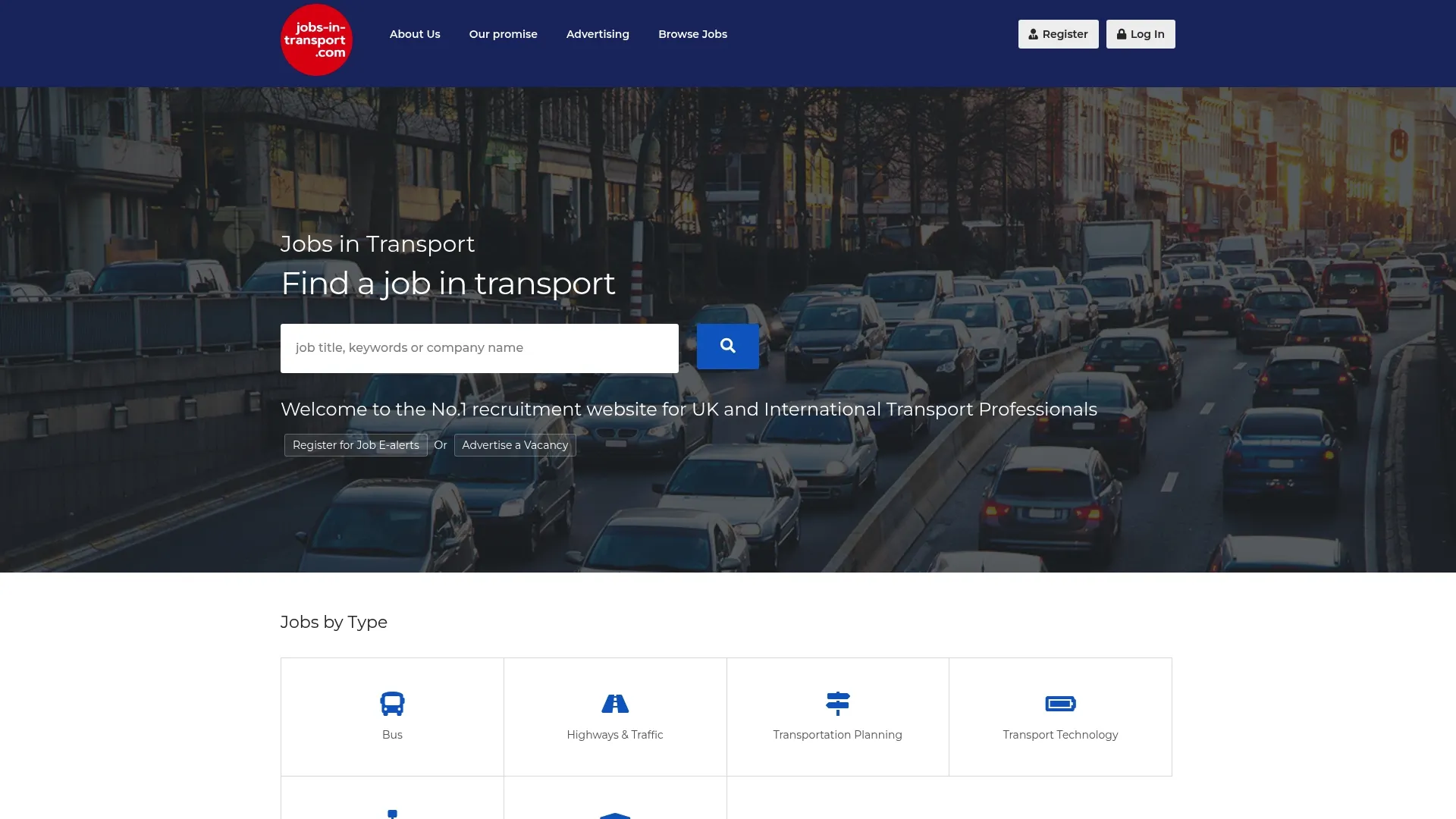
An employer profile lets you present your organisation properly alongside your listing, which matters when candidates are comparing several transport-sector employers in one search session. Combine that sector focus with the scheduling habits covered above, post early in the week, sponsor the roles that matter most, and staff a reviewer roster, and you get a shorter time-to-hire without guessing at the clock. Post your next transport vacancy on a specialized transport job board and set your reviewer window before it goes live.
Sources
- Wave data proves job advert timing is vital | Onrec
- These are the peak times candidates view and apply to jobs | LinkedIn Talent Blog
- When is the best day to post a job on Indeed? | Indeed UK
- Best day to post jobs | Workable resources
FAQ
Which day of the week is best for posting a job?
Tuesday, based on both LinkedIn’s and Wave’s analyses of candidate activity, with Monday and Wednesday as strong alternatives.
What month do the most jobs get posted?
Hiring activity typically dips over the summer holidays and late December, then picks up again in January and September as budgets reset and teams return from leave. Test your own posting calendar seasonally rather than assuming one month works everywhere.
What is the 7 second rule for a CV?
It refers to the idea that recruiters form an initial impression of a CV within about seven seconds, scanning for job titles, dates, and formatting before deciding whether to read further. It’s a reminder to write clear, well-structured job adverts too, since candidates scan listings the same way.
What is the 3 month rule in a job?
It usually refers to probation periods, where a new hire’s employment terms, and sometimes their notice period or benefits eligibility, are reviewed after an initial three months in the role. It isn’t directly related to posting timing, but it’s a common HR reference point worth knowing.
Does sponsoring a job listing make timing less important?
Yes. Indeed’s guidance confirms sponsored listings keep visibility regardless of when they’re posted, so sponsorship is worth prioritising over precise timing for hard-to-fill or urgent roles.


