
Thousands of transport roles open across the UK every year, each carrying its own blend of mandatory licences, formal credentials, practical experience, and interpersonal skills. Whether you are a jobseeker mapping out your next career move or an employer building a shortlist, getting the qualification picture wrong wastes time and money. This guide cuts through the complexity, laying out exactly what is required for driving, engineering, management, and planning roles, so you can apply with confidence or recruit with precision.
Table of Contents
- Understanding the qualification landscape in UK transport
- Role-specific credentials and licences
- Crucial soft skills and core competencies
- Programme management and leadership expertise
- Comparing qualifications for different transport jobs
- Expert insight: beyond formal qualifications in UK transport careers
- Find your next opportunity with Jobs-in-Transport.com
- Frequently asked questions
Key Takeaways
| Point | Details |
|---|---|
| Role-specific credentials | Every transport job type requires unique formal qualifications, certificates, or legal compliance. |
| Legal compliance matters | Professional drivers must maintain periodic training and up-to-date licences to remain eligible. |
| Soft skills essential | Skills like communication, planning, and problem-solving are as important as technical expertise. |
| Leadership needs sector experience | Transport managers and leaders need programme management skills and relevant professional qualifications. |
| Comparison helps decision-making | Side-by-side analysis makes it easy to choose the right path for your career or hiring needs. |
Understanding the qualification landscape in UK transport
The transport sector is not a single industry. It is a collection of distinct disciplines, each with its own entry requirements, regulatory obligations, and valued competencies. Driving roles are governed by licence categories and legal training mandates. Engineering positions demand accredited academic credentials and professional recognition. Management and planning careers typically blend degree-level education with sector-specific experience and project delivery skills.
UK transport sector roles typically list a mix of role-specific qualifications, such as degree level for transport, logistics management, and engineering, alongside core competencies including communication, IT literacy, numeracy, planning and decision-making, commercial awareness, and customer service. This means candidates cannot simply tick a single box. Employers expect a rounded profile that combines formal credentials with demonstrable workplace skills.
Understanding transport job requirements before applying saves you from targeting the wrong roles or underselling relevant experience you already hold.
Key qualification categories in UK transport:
- Driving and operations: Licence entitlements, Driver CPC, ADR (carriage of dangerous goods), Forklift Operator certification
- Engineering and maintenance: Accredited engineering degrees, HNC/HND qualifications, apprenticeship frameworks
- Transport management and logistics: BSc or MSc in Transport/Logistics, CILT (Chartered Institute of Logistics and Transport) membership
- Transport planning: Town planning or geography degrees, technical software proficiency
- Project and programme management: APM qualifications, Prince2, professional chartered status
| Qualification type | Typical entry level | Who needs it |
|---|---|---|
| Category C/C+E driving licence | Operational | HGV and lorry drivers |
| Accredited engineering degree | Graduate | Highways and maintenance engineers |
| CILT membership | Management | Logistics and supply chain managers |
| Driver CPC periodic training | Operational | Professional bus, coach, lorry drivers |
| APM or Prince2 | Senior | Programme and project managers |
The breadth of this landscape means that soft skills in transport are not optional extras. They are woven into the selection process at every level, from frontline roles to senior leadership.
Role-specific credentials and licences
Once the broad landscape is mapped, it is vital to understand which hard credentials and legal requirements separate qualified applicants in transport jobs. Formal licences and certifications are not just desirable; in many roles they are a legal prerequisite for employment.
Driving roles
For driving positions, the starting point is a valid UK driving licence with the appropriate category entitlement. HGV drivers need a Category C or C+E licence. Bus and coach drivers require a Category D licence. Beyond the licence itself, professional drivers must hold a valid Driver Qualification Card (DQC) as proof of completed Driver CPC training.

Driver CPC periodic training is legally required for professional bus, lorry, and coach drivers in the UK: 35 hours of approved training every five years to keep a Driver CPC card valid. Driving professionally without completing this training by the deadline is illegal, full stop. There is no grace period, and employers cannot legally roster a driver who has lapsed.
For those preparing for assessment, the Driver CPC theory test covers a range of topics including vehicle safety, emergency procedures, and relevant transport law.
Engineering roles
Highways, structural, and maintenance engineers typically need an accredited BEng or MEng from a recognised institution. Professional recognition from the Engineering Council as an Incorporated Engineer (IEng) or Chartered Engineer (CEng) significantly strengthens applications for mid-level and senior posts. Employers often treat chartered status as a firm requirement rather than a nice-to-have for roles involving public infrastructure.
More detail on what progression through engineering qualification requirements looks like in practice is well worth reviewing if you are building your career in this area.
Management roles
Transport and logistics management positions generally favour candidates with a relevant degree, often in transport, logistics, supply chain, or business. Sector bodies such as CILT offer graded membership and professional qualifications that carry real weight with employers. Project management credentials including Prince2 Practitioner or APM Project Management Qualification (PMQ) are increasingly listed as requirements rather than desirable additions.
Pro Tip: Check the regulatory deadline for your Driver CPC renewal well in advance. Many drivers lose work because they discover their card is about to expire with insufficient time to book and complete all 35 hours before the deadline.
| Role type | Primary hard credential | Supporting credential |
|---|---|---|
| HGV driver | Cat C/C+E licence + DQC | ADR (where applicable) |
| Bus/coach driver | Cat D licence + DQC | First aid at work |
| Highways engineer | Accredited BEng/MEng | IEng or CEng status |
| Logistics manager | Degree (transport/logistics) | CILT membership |
| Transport planner | Degree (planning/geography) | RTPI (where applicable) |
The critical distinction here is that transport licences and certifications are not interchangeable. Holding the licence but missing the CPC card is just as disqualifying as having no licence at all in the eyes of UK law.
Crucial soft skills and core competencies
Credentials are often only half the story. What truly sets standout candidates apart are the soft skills and practical abilities that turn qualifications into job performance. UK transport employers are consistent about this in job advertisements and at interview.
Graduate recruiters look for skills including communication and customer service, IT literacy, numeracy, decision making and planning, project management, and practical problem-solving. These are not vague buzzwords. In transport, they translate into specific, observable behaviours on the job.
Why soft skills matter in transport
Consider a traffic management coordinator. They may hold all relevant technical qualifications, but their daily work involves negotiating with highway authorities, briefing site teams under pressure, managing contractors who miss deadlines, and communicating delays to the public. None of that is captured in a licence or a degree certificate.
“The ability to keep calm, communicate clearly, and adapt quickly under operational pressure is what separates a good transport professional from an exceptional one.” This is the consistent message from sector hiring managers, and it is reflected in the competency frameworks used by major transport bodies.
Top competencies valued across the sector:
- Commercial awareness: Understanding cost, margin, contract terms, and how decisions affect the bottom line
- IT literacy: Proficiency with route planning software, asset management platforms, and data analysis tools
- Stakeholder communication: Written reports, verbal briefings, and public-facing interaction
- Planning and prioritisation: Managing competing demands, shifting timelines, and resource constraints
- Problem-solving under pressure: Making sound operational decisions quickly, often with incomplete information
- Teamwork and leadership: Motivating crews, supporting colleagues, managing upward and downward
The transport career benefits accessible to professionals who develop both credentials and these competencies are genuinely substantial, including stronger starting salaries, faster progression, and broader role options.
Pro Tip: When writing your CV or application for a transport role, map your soft skills to specific examples. Do not just write “good communicator.” Write “briefed a team of 12 on operational changes within a two-hour window during an unplanned network closure.” Specificity is what gets you shortlisted.
Programme management and leadership expertise
Highly qualified candidates seeking progression, or employers recruiting for leadership roles, need a deeper set of credentials and proven experience. Senior transport roles carry significant responsibility for public safety, public money, and long-term infrastructure.
Transport logistics management and leadership roles frequently include requirements for programme and project management experience, risk and budget and resource management, and a mix of sector expertise alongside professional or chartered qualifications. This is not a role type where you can substitute enthusiasm for experience.
How to build a leadership qualification profile in transport:
- Gain operational experience in your chosen discipline, whether driving, engineering, or logistics, to build a credible base.
- Pursue a relevant degree or postgraduate qualification if you have not already. Many universities offer part-time or distance learning options suitable for working professionals.
- Obtain project management accreditation. APM PMQ is widely respected in UK transport, as is Prince2 Practitioner for public sector roles.
- Work towards professional membership with your relevant sector body: CILT, ICE (Institution of Civil Engineers), or IHE (Institute of Highway Engineers).
- Seek chartered status where applicable: CEng via the Engineering Council, or Chartered Member of CILT.
- Build a record of leading multi-disciplinary projects, managing budgets, and reporting to senior stakeholders.
Senior leadership qualifications at a glance:
| Credential | Awarding body | Relevance |
|---|---|---|
| CEng | Engineering Council | Senior engineering and infrastructure roles |
| IEng | Engineering Council | Mid-level engineering positions |
| CMILT | CILT | Logistics, supply chain, and transport management |
| APM PMQ | Association for Project Management | Programme and project management |
| Prince2 Practitioner | Axelos | Public sector project delivery |
Top transport infrastructure jobs in the UK consistently list two or more of the above credentials as requirements, particularly at programme director and regional management level. Getting to this point takes years of deliberate effort, but the career rewards are significant.
Comparing qualifications for different transport jobs
To help candidates and employers make decisions quickly, a comparison of major qualification categories offers a clear overview of what matters most in each job type.
Qualification requirements vary by role. Logistics degree preferences apply in management, while maintenance engineering often needs an accredited engineering degree. This variation is what creates confusion for candidates who move between roles or disciplines.
| Job category | Essential qualification | Highly valued additions |
|---|---|---|
| Professional driver | Correct licence + valid DQC | ADR, first aid, DCPC refresher ahead of deadline |
| Highways engineer | Accredited BEng/MEng | CEng or IEng, AutoCAD proficiency |
| Transport planner | BSc/MSc in planning or geography | RTPI accreditation, GIS software skills |
| Logistics manager | Degree in transport/logistics/business | CILT membership, supply chain software |
| Programme manager | Degree + APM/Prince2 | Chartered status, sector-specific experience |
Strategic takeaways for jobseekers:
- Identify your target role category early and align your qualification plan to it rather than collecting generic credentials.
- Check whether professional body membership is standard in your sector. CILT, ICE, and IHE memberships carry genuine currency with employers.
- Do not underestimate the power of sector experience. A candidate with relevant experience and a lower formal qualification level will often outperform one with more credentials but less practical background.
For those actively searching, browsing jobs in transport by sector and role level is the most direct way to see what live employer requirements actually look like.
Expert insight: beyond formal qualifications in UK transport careers
Having explored the qualification structure, it is worth examining lessons that are not found in standard job specifications, but which define success in UK transport careers.
Here is an uncomfortable truth: compliance gaps can sink otherwise strong candidates. We see this most clearly in driving roles. A candidate with 15 years of professional driving experience, an immaculate safety record, and excellent references is unemployable the moment their Driver CPC periodic training lapses past its legal deadline. There is no legal ability to continue professional driving with expired or incomplete periodic training. Not for one shift. Not with a promise to complete training next week. Employers who knowingly roster lapsed drivers are also exposed to serious legal liability.
This matters for employers too. Checking compliance documentation should be a standard part of every pre-employment check for operational roles, not an afterthought. The consequences of getting this wrong extend beyond the individual driver to the operator’s licence.
Beyond compliance, there is a broader lesson about how employers assess talent. The sector has traditionally leaned heavily on credentials as proxy measures of competence. But the candidates who grow into exceptional transport professionals are typically those who combine their formal credentials with genuine commercial thinking, an ability to work across disciplines, and the interpersonal resilience to operate in a high-pressure, publicly scrutinised environment.
Recruiters who expand their shortlisting criteria to include demonstrable soft skills, alongside verified hard credentials, consistently find stronger performers. Reviewing what the importance of soft skills looks like in practice can shift how you evaluate candidate profiles and write job specifications.
For jobseekers, the message is equally direct. Do not wait until you have every qualification on a job specification before applying. A well-evidenced application that demonstrates soft skills, operational judgment, and a credible development plan can be more compelling than a CV that lists qualifications without showing what the candidate has done with them.
Find your next opportunity with Jobs-in-Transport.com
Understanding what qualifications are required is only the first step. Putting that knowledge to work in a real job search, or a live recruitment campaign, is where it becomes genuinely valuable.
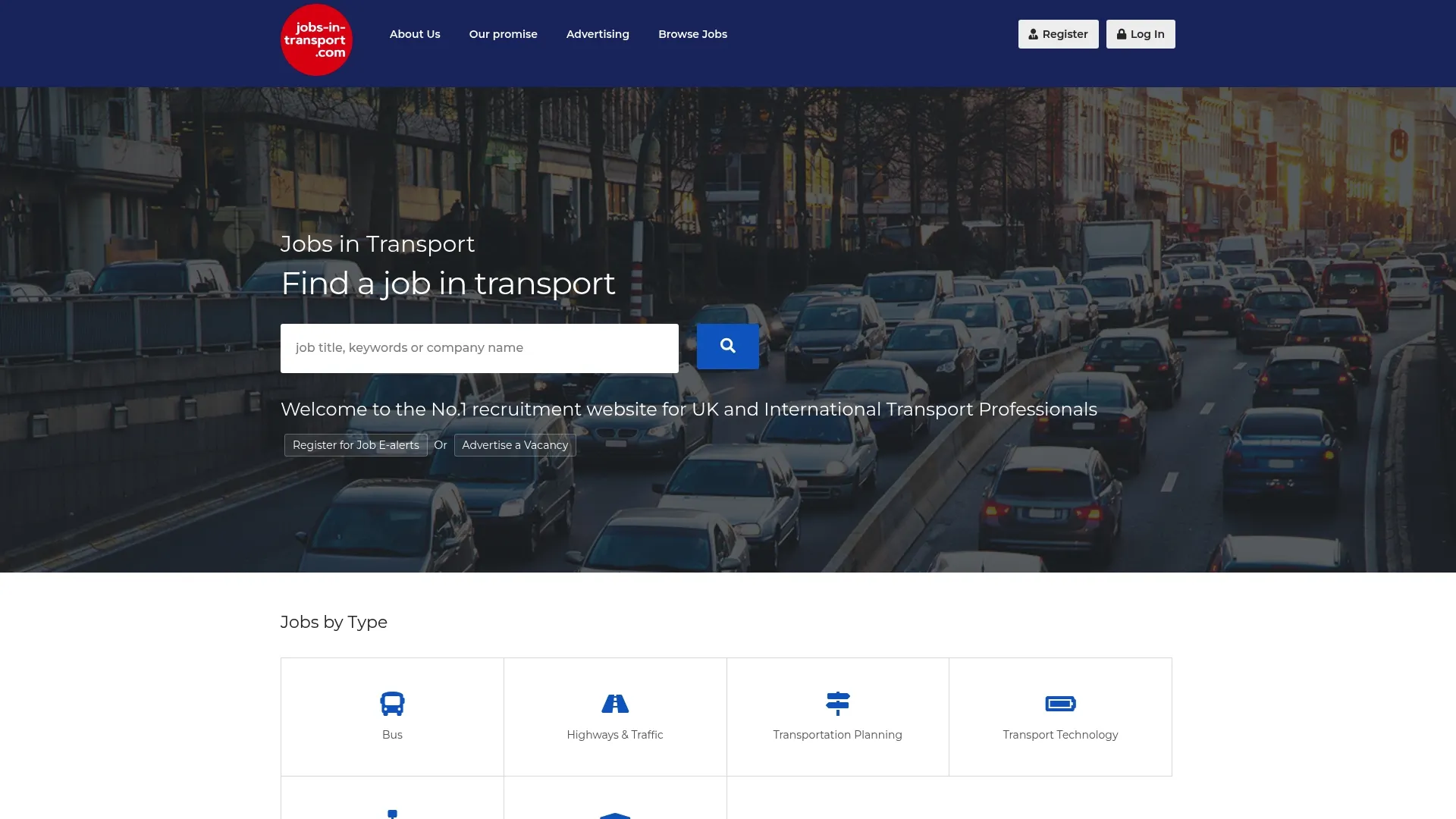
Jobs-in-Transport.com has been connecting transport professionals with quality UK employers since 2005. The platform carries live vacancies across driving, engineering, management, planning, and project delivery, each listed with clear role requirements so you know exactly where your credentials fit. About Jobs-in-Transport.com and the services available to both candidates and employers are straightforward to explore, whether you want to host your CV for employer searches, set up vacancy alerts, or post a role to a targeted transport audience. If the qualification picture is clear and the right opportunity is next, this is the place to find it.
Frequently asked questions
What is Driver CPC and who needs it?
Driver CPC is a legal qualification required for professional bus, coach, and lorry drivers in the UK, with 35 hours of periodic training required every five years to maintain a valid Driver Qualification Card.
Which qualifications are essential for transport management positions?
Transport management roles commonly require a relevant degree alongside professional qualifications such as IEng, CEng, or APM PMQ. Leadership roles also expect demonstrated programme and project management experience.
Which soft skills do UK transport employers value?
Employers in the UK transport sector consistently prioritise communication, customer service, IT literacy, planning, problem-solving, and commercial awareness for most positions at every level.
Can you still drive professionally if your Driver CPC is expired?
No. It is illegal to drive professionally without a valid, up-to-date Driver CPC; periodic training must be fully completed before the deadline with no legal exceptions.
What counts as a professional qualification for engineering roles?
Engineering roles in transport typically require an accredited engineering degree and formal recognition as a Chartered Engineer (CEng) or Incorporated Engineer (IEng) through the Engineering Council.
Recommended
- Jobs in Transport, Bus jobs, Highways & Traffic jobs, Transportation Planning jobs, Transport Technology jobs, Project Management jobs, Transport Leaders jobs
- Jobs in Transport, Bus jobs, Highways & Traffic jobs, Transportation Planning jobs, Transport Technology jobs, Project Management jobs, Transport Leaders jobs


