
Networking in the transport sector is the process of building purposeful professional relationships that generate career opportunities, business referrals, and industry knowledge. It is not simply collecting business cards at a conference. Done well, it is the single most reliable way to access roles and contracts that never appear on a job board. Small carriers relying on word-of-mouth referrals consistently secure better-paying, steadier work than those depending on volatile load boards. For job seekers, a well-maintained professional network in transport and logistics is often the difference between being shortlisted and being overlooked entirely.
How to network in the transport sector: preparation that works
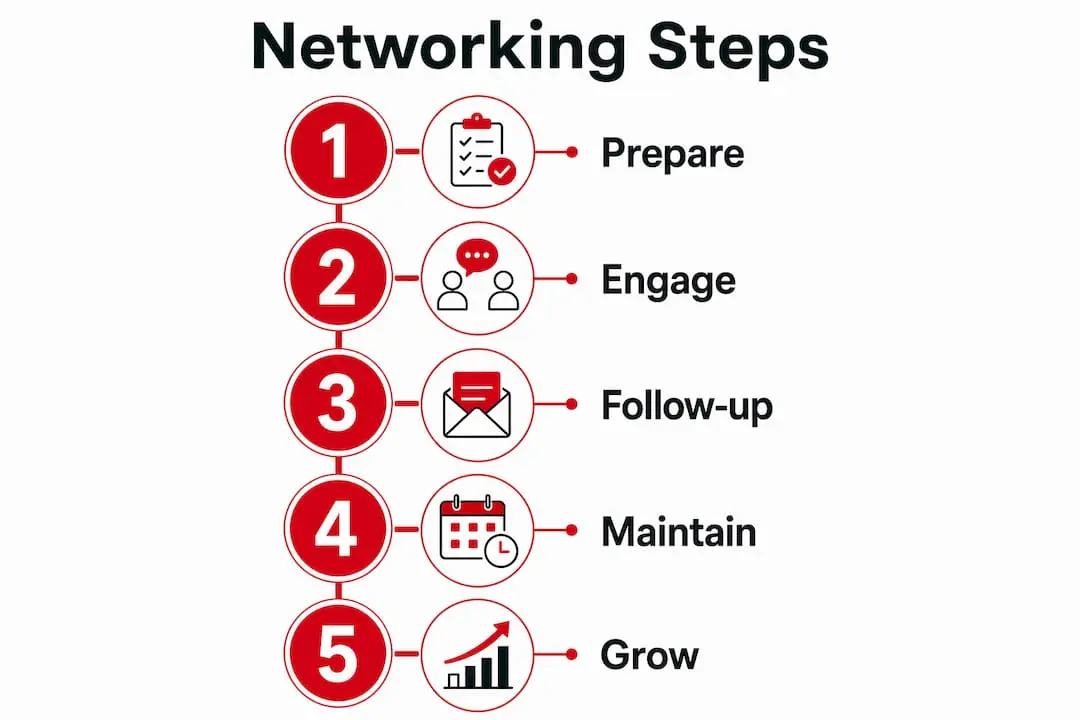
Preparation separates professionals who leave events with five meaningful contacts from those who leave with a pocket full of cards they never follow up. The most effective approach is to identify your top 20 targets four to six weeks before any major event. That timeline gives you enough space to research each person, warm up connections on LinkedIn, and request meetings before schedules fill up.
Start by downloading the exhibitor or delegate list as soon as it becomes available. Map the event schedule around the people you most want to meet, not around the sessions that sound broadly interesting. Pre-scheduling 15-minute meetings with senior professionals or hiring managers is far more productive than hoping to catch them between sessions. Busy executives at events like Multimodal or the Traffex exhibition are rarely available for unplanned conversations.
Your elevator pitch deserves more attention than most people give it. Write it down, practise it aloud, and trim it to under 60 seconds. It should answer three questions: who you are, what you do, and what you are looking for. Prepare a short list of questions for each target contact so the conversation feels like a dialogue rather than an interview.
- Research each target contact on LinkedIn before the event and note one specific detail to reference in conversation
- Carry at least 150 business cards and consider adding a LinkedIn QR code to the reverse side
- Set up LinkedIn connection requests in advance so contacts recognise your name when you approach them
- Block time in your diary for follow-up before you even leave for the event
Pro Tip: If you are attending a large trade show like the Commercial Vehicle Show at the NEC Birmingham, use the official app or event platform to send connection requests and schedule meetings at least two weeks before the doors open.
What are the best ways to meet transport professionals at events?
Face-to-face events remain the highest-value networking environment in transport. The sector spans highways, freight, planning, and technology, and the professionals who shape it still gather at events like the Transport Planning Society Annual Conference, Freight in the City Expo, and the CILT Annual Conference. Knowing how to conduct yourself across the different phases of an event makes a measurable difference.
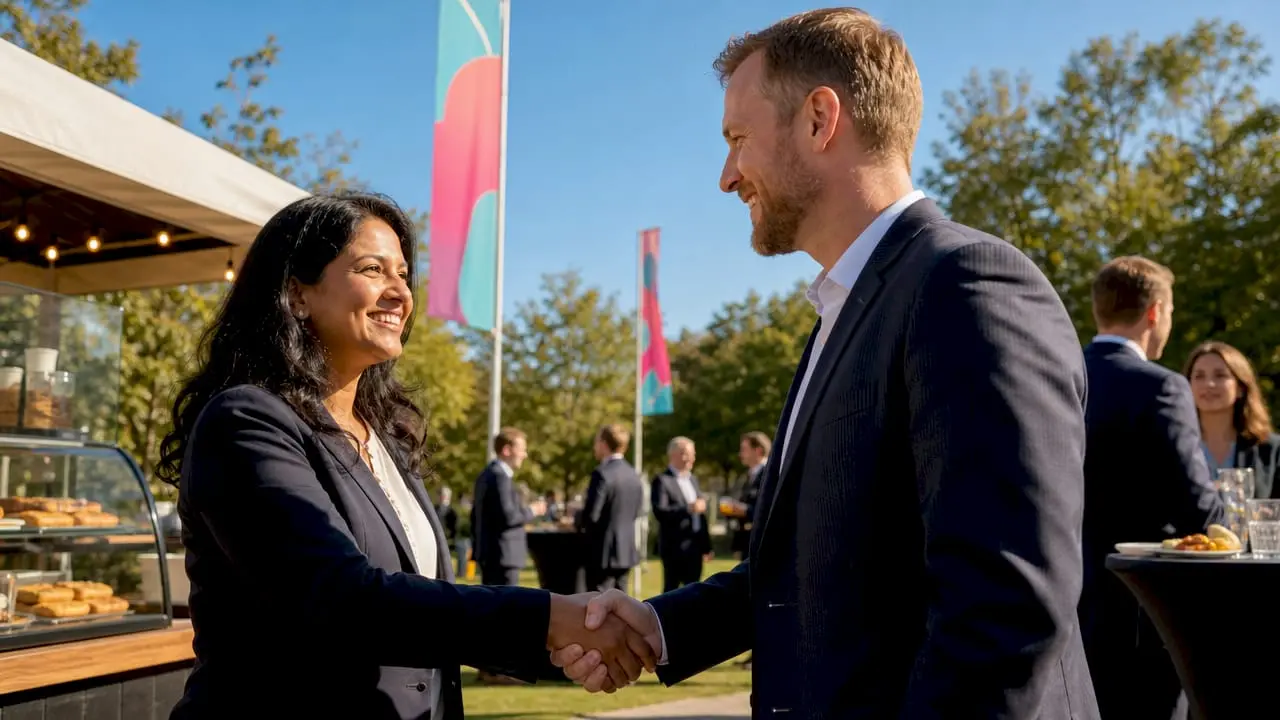
The most common mistake is opening a conversation with a pitch. Building relationships before selling is not just good manners. It is the strategy that converts introductions into long-term contracts. Open with a question or a relevant observation about the event, the industry, or a shared challenge. Let the other person talk. People remember those who listened well far longer than those who talked at them.
A practical three-phase approach to any event looks like this:
- Reconnaissance phase (first 30 minutes): Walk the floor or registration area without engaging deeply. Identify where your target contacts are positioned and note the natural gathering points such as coffee stations, registration desks, and sponsor stands.
- Targeted engagement phase (core event hours): Execute your pre-scheduled meetings and approach your priority contacts. Keep conversations to 10 to 15 minutes unless the other person clearly wants to continue.
- Discovery phase (receptions and informal sessions): Use evening receptions, dinners, and hotel lobbies for unplanned conversations. These settings produce some of the most candid and valuable exchanges in the industry.
After each conversation, write a brief note on the back of the contact’s business card or in your phone. Record the topic you discussed, any commitment you made, and one personal detail. This takes 30 seconds and transforms a vague memory into a specific follow-up opportunity.
- Avoid clustering with colleagues from your own organisation. Spread out and meet new people.
- At receptions, position yourself near the bar or food station where natural pauses in conversation occur
- If you are an introvert, set a specific target such as three meaningful conversations per session rather than trying to work the entire room
Pro Tip: At large congresses, small group networking sessions reduce social anxiety and produce more authentic connections than open-floor mingling. If the event offers structured roundtables or guided networking, prioritise those over general receptions.
How do digital platforms help with building connections in logistics?
LinkedIn is the primary digital networking tool for transport and logistics professionals, but most people use it passively. Posting once a month and accepting connection requests is not a strategy. The professionals who build genuine influence on LinkedIn share industry observations, comment thoughtfully on others’ posts, and send personalised connection requests that reference a specific shared interest or event. Sharing insights before pitching services is the rule that separates credible voices from noise.
Beyond LinkedIn, niche communities offer a level of focus that general platforms cannot match. The Young Mobility Network has grown to over 900 members within six years, specifically addressing the career isolation that younger transport professionals often experience. That growth reflects a genuine gap in the market for targeted, peer-level connection. Women in Mobility and the Chartered Institute of Logistics and Transport (CILT) online forums serve similar functions for their respective communities.
- Join LinkedIn groups focused on transport planning, freight management, and traffic engineering and contribute to discussions at least twice a week
- Participate in digital meetups hosted by organisations like CILT or the Transport Planning Society
- Use freight and haulage forums to answer questions and share knowledge, which builds a visible reputation over time
- Combine digital activity with physical attendance. A contact who has seen your LinkedIn posts will engage far more readily when you meet in person
The goal of digital networking is not to accumulate followers. It is to become a recognisable, trusted name so that when an opportunity arises, people think of you first. That reputation takes months to build and is worth far more than any single connection.
How do you maintain your transport network after the first meeting?
The first meeting is the easiest part. Maintaining the relationship is where most professionals fail. Connection recall drops by 50% within 48 hours of meeting someone and by 80% within a week. That statistic means your follow-up window is narrow and the quality of your message matters enormously.
Divide your new contacts into three tiers based on the potential value and warmth of the relationship:
| Tier | Contact type | Follow-up approach |
|---|---|---|
| Tier 1 | High-value, warm connection | Personalised email within 24 hours referencing your specific conversation |
| Tier 2 | Relevant contact, moderate warmth | LinkedIn message within 48 hours with a brief, specific note |
| Tier 3 | Useful contact, early stage | Connect on LinkedIn within one week and engage with their content |
Generic follow-up messages are a common networking failure. “Great to meet you” tells the recipient nothing and gives them no reason to respond. Reference the specific topic you discussed, mention something you promised to send, or share a relevant article. That level of personalisation signals that you were genuinely paying attention.
After the initial follow-up, schedule light-touch check-ins every two to three months. Share a relevant industry update, congratulate them on a new role, or invite them to an event. Use a simple CRM tool such as HubSpot’s free tier or even a well-organised spreadsheet to track your last contact date, topics discussed, and any commitments made. This is not bureaucratic. It is the difference between a network that grows and one that quietly decays.
Pro Tip: Before attending any event, block two hours in your diary for the morning after. Use that time exclusively for Tier 1 and Tier 2 follow-ups while the conversations are still fresh.
Key takeaways
Effective networking in the transport sector requires preparation weeks in advance, authentic engagement at events, and disciplined follow-up within 48 hours to convert introductions into lasting professional relationships.
| Point | Details |
|---|---|
| Prepare weeks in advance | Identify your top 20 target contacts four to six weeks before any event and pre-schedule meetings. |
| Open with value, not a pitch | Start conversations with questions or observations; relationships built on trust lead to long-term contracts. |
| Use niche communities | Groups like the Young Mobility Network and CILT forums connect you with focused, relevant professionals. |
| Follow up within 48 hours | Connection recall drops by 80% within a week, so personalised follow-up must happen fast. |
| Combine digital and physical | LinkedIn activity before and after events significantly increases the quality of face-to-face engagement. |
Why most transport professionals are networking backwards
I have spent years watching talented transport professionals leave conferences with a stack of business cards and zero follow-through. The cards go in a drawer. The contacts go cold. Six months later, the same professionals are wondering why their network is not working for them.
The mistake is treating networking as an event rather than a practice. The most connected people I know in this sector, whether they work in highways, freight, or transport planning, are not the most extroverted. They are the most consistent. They send one thoughtful message a week. They show up to the same events year after year. They remember details about people’s projects and ask about them months later.
I have seen relationships formed at a single Traffex exhibition turn into multi-year consultancy contracts. Not because the initial conversation was extraordinary, but because one person followed up with a relevant article three days later and kept the dialogue going. That is the whole game.
The other thing I would push back on is the assumption that digital networking is somehow less real than face-to-face. For younger professionals and those entering the sector through roles in transport infrastructure, LinkedIn is often the first point of contact with the industry. Treating it seriously, posting with genuine insight, and engaging with others’ work is not self-promotion. It is professional visibility. The two are very different things.
If you are early in your career, find a niche community and commit to it. If you are more experienced, mentor someone in one of those communities. Both actions build your reputation faster than any amount of cold outreach.
— Rob
Find your next opportunity through Jobs-in-Transport

Jobs-in-Transport has connected transport professionals with the right roles since 2005, covering everything from highways and traffic management to transportation planning and project management. If your networking efforts are pointing you towards a career move, the platform gives you direct access to transport sector vacancies across the UK and internationally. You can host your CV, set up job alerts, and browse employer profiles to research organisations before you reach out. For job seekers building connections in logistics and transport, the jobseeker resources on the site complement your networking activity with practical recruitment support.
FAQ
What is the most effective way to network in the transport industry?
The most effective approach combines preparation before events, authentic face-to-face engagement, and personalised follow-up within 48 hours. Identifying your top 20 target contacts four to six weeks in advance and pre-scheduling meetings produces far better results than unplanned conversations.
Which events are best for meeting transport professionals in the UK?
Key events include the CILT Annual Conference, Multimodal, the Commercial Vehicle Show at the NEC Birmingham, Traffex, and the Transport Planning Society Annual Conference. Each attracts a distinct segment of the sector, so choose based on your specific area of transport.
How do niche communities help with transport networking?
Groups like the Young Mobility Network, which has over 900 members, and Women in Mobility provide focused environments where professionals at similar career stages connect authentically. These communities reduce the social pressure of large events and facilitate more genuine relationship-building.
How soon should you follow up after meeting a transport contact?
Follow up within 48 hours. Research shows connection recall drops by 50% within that window and by 80% within a week. A personalised message referencing your specific conversation is far more effective than a generic introduction.
How do you use LinkedIn for networking in logistics?
Share industry observations regularly, comment on others’ posts with genuine input, and send connection requests that reference a specific shared interest or event. Build your reputation by contributing value before you seek anything in return.
Recommended
- Jobs in Transport, Bus jobs, Highways & Traffic jobs, Transportation Planning jobs, Transport Technology jobs, Project Management jobs, Transport Leaders jobs
- Jobs in Transport, Bus jobs, Highways & Traffic jobs, Transportation Planning jobs, Transport Technology jobs, Project Management jobs, Transport Leaders jobs


