
Choosing a transport career that will still be thriving in five years is harder than it sounds. The sector is shifting fast, shaped by ageing workforces, tightening regulations, post-pandemic recovery, and a wave of new technology. The UK must recruit 60,000 HGV drivers every year simply to meet demand, and that figure barely scratches the surface of the wider skills gap. Whether you are a graduate weighing your options, a career changer eyeing a stable pivot, or a seasoned professional thinking about your next move, understanding which roles are genuinely in demand and why is the sharpest tool you have.
Table of Contents
- Understanding what makes a transport role ‘high demand’
- Top high-demand transport roles: Key sectors and growth areas
- Barriers to entry and how to overcome them
- Comparing high-demand roles: Skills, salary, and future prospects
- Why focusing on fundamentals beats chasing trends
- Ready to take the next step in your transport career?
- Frequently asked questions
Key Takeaways
| Point | Details |
|---|---|
| Skill shortages are driving pay | Roles like HGV drivers command higher salaries because demand far outstrips supply in the UK. |
| Barriers can be overcome | Training, insurance, and qualification costs are real but government and employer support can help you get started. |
| Versatility matters most | Building broad skills and adaptability gives you the best long-term career security in transport. |
| Check sector news often | Being aware of changing trends and initiatives is essential for timing your next career move. |
Understanding what makes a transport role ‘high demand’
With the challenge framed, let us clarify what truly makes a transport role ‘high demand’ and why these criteria matter to your future.
High demand is not simply about vacancies. It is the combination of persistent shortage, growing industry need, and competitive pay that marks a role as genuinely attractive rather than temporarily fashionable. In the transport sector, three forces tend to drive genuine high demand:
- Shortage areas: Roles where the existing workforce is ageing out faster than new entrants arrive, such as HGV driving and rail engineering.
- Regulatory growth: New laws, safety standards, and emissions targets create specialisms that did not exist a decade ago.
- Technology-led change: Automation, electric vehicles, and smart infrastructure require skills that employers struggle to find internally.
- Post-pandemic recovery: Supply chain disruption revealed just how fragile logistics networks can be, accelerating employer investment in qualified professionals.
The barriers to entry are real, though. Insurance cost factors alone can make HGV driving a difficult leap for younger entrants and career changers. According to sector data, young drivers are attracted by high pay, but retention suffers because training and insurance costs remain substantial hurdles. Government-funded skills bootcamps and diversity initiatives are starting to soften these barriers, but awareness of them is patchy.
“The transport sector rewards those who understand its rhythms. High demand today can shift tomorrow if economic conditions change, so the shrewdest move is always to understand why a role is scarce, not just that it is.”
Pro Tip: Subscribe to transport sector updates and trade publications so you catch fast-shifting niches before they become crowded. Being early to a growing speciality is one of the clearest paths to rapid progression.
If you want broader context on the sectors covered and how the labour market is structured, it is worth reading about the sector before narrowing your job search.
Top high-demand transport roles: Key sectors and growth areas
Now that you know the factors behind ‘high demand’, let us explore the top roles that consistently top employer wishlists.
The five roles below are consistently flagged by recruiters, government workforce reports, and industry bodies as acute shortage areas in the UK:
- HGV driver — The backbone of UK supply chains, responsible for moving goods between distribution centres, ports, and retailers.
- Transport planner — Designs and models transport networks for local authorities, consultancies, and infrastructure developers.
- Rail engineer — Maintains, upgrades, and designs rail infrastructure and rolling stock across national and regional networks.
- Logistics coordinator — Manages the flow of goods, schedules, supplier relationships, and distribution efficiency.
- Fleet manager — Oversees vehicle fleets for operators, local authorities, and private companies, including compliance and cost control.
Each role carries distinct responsibilities. HGV drivers handle vehicle checks, route planning, and load security. Rail engineers focus on signal systems, track maintenance, or electrification projects. Fleet managers track servicing schedules, MOT compliance, driver performance, and fuel efficiency across sometimes hundreds of vehicles.
The HGV driver shortage creates a market where experienced drivers can negotiate well above advertised rates, particularly for specialist or long-haul work.
| Role | Typical salary range | Key qualification | Demand driver |
|---|---|---|---|
| HGV driver | £32,000 to £50,000 | Category C or C+E licence | Chronic national shortage |
| Transport planner | £30,000 to £55,000 | Degree, RTPI membership | Infrastructure investment |
| Rail engineer | £35,000 to £65,000 | Engineering degree, PTS card | Network Rail expansion |
| Logistics coordinator | £25,000 to £42,000 | Relevant diploma or experience | E-commerce growth |
| Fleet manager | £35,000 to £55,000 | CPC, management experience | Fleet electrification |
Keep an eye on latest job trends to spot which of these roles are currently receiving the highest volume of live vacancies in your area.
Barriers to entry and how to overcome them
Despite these attractive roles, getting a foot in the door presents challenges, but with forethought, they are surmountable.
The most cited obstacles when professionals and newcomers attempt to enter high-demand transport roles include:
- Upfront training and licensing costs: Category C HGV training can cost £2,000 to £3,500, and a Category C+E adds more on top.
- Insurance premiums: Managing insurance costs is a genuine concern, particularly for operators running younger drivers or mixed fleets.
- Experience gaps: Many employers specify two or more years of sector experience, which creates a circular barrier for new entrants.
- Networking deficits: Transport is a relationship-driven industry; knowing the right people can accelerate hiring significantly.
The good news is that significant hurdles including insurance and training are increasingly being addressed through government skills bootcamps, employer-funded training agreements, and industry bursaries. The Department for Transport and Skills England have both run programmes specifically targeting HGV driver recruitment, covering licence costs in exchange for a minimum employment period with a participating operator.
For rail and planning roles, graduate schemes offer a structured route with mentoring and funded chartership. These routes are especially useful for people shifting from adjacent sectors like civil engineering or urban design.
Pro Tip: Prioritise employers who advertise structured onboarding and training support. Browse graduate opportunities for roles explicitly designed to carry you from qualifier to experienced professional within a defined timeframe.
Beyond formal programmes, sector networking accelerates everything. Attending regional transport conferences, joining professional bodies such as the Chartered Institute of Logistics and Transport, and building a presence on professional networks all increase your visibility to hiring managers before you even apply.
Comparing high-demand roles: Skills, salary, and future prospects
To aid your decision-making, compare the primary high-demand roles side by side using these vital career dimensions.
The table below summarises key criteria for each role. Use it as a starting point rather than a definitive guide, since salaries vary by region, employer size, and individual experience.
| Role | Entry route | Work-life balance | Long-term security | Best suited to |
|---|---|---|---|---|
| HGV driver | Licence and training | Variable (shift and night work) | Very high | Career changers, practical learners |
| Transport planner | Degree or conversion | Generally office-based | High | Graduates, analytical thinkers |
| Rail engineer | Engineering degree, apprenticeship | Project-based | Very high | Technical specialists |
| Logistics coordinator | Diploma or on-the-job | Mixed office and fieldwork | High | Organisers, communicators |
| Fleet manager | CPC, management experience | Largely office-based | High | Experienced operators |
The national need for 60,000 HGV drivers annually makes it the standout role for sheer job security. However, rail engineering and transport planning both offer superior career progression pathways and are insulated from the volatility of freight markets.

Key takeaway: Career changers with practical backgrounds tend to fare best in HGV driving and logistics coordination. Graduates with quantitative or spatial skills are naturally positioned for transport planning and rail engineering. Fleet management suits professionals who have already spent time in operations and want to move into oversight roles.
Review employer commitments from leading transport organisations to understand what structured progression actually looks like from the inside before you accept an offer.
The most future-proof choice depends on your personal goals. If you want early high earnings with clear demand, HGV driving is hard to beat right now. If you want chartered status and long-term influence on how the UK’s infrastructure develops, transport planning or rail engineering will serve you better over a decade.
Why focusing on fundamentals beats chasing trends
Stepping back from the data, there is a bigger picture worth considering for anyone planning a career shift or advancement.
Every few years, a specific transport role becomes the hot topic. Last-mile delivery coordinators surged in profile during the pandemic. HGV drivers became headline news when fuel queues formed. Before that, drone logistics was briefly described as the future of everything. Chasing these peaks rarely produces a sustainable career.
What actually separates transport professionals with long, rewarding careers from those who find themselves stuck is a commitment to fundamentals. Strong communication, analytical problem-solving, regulatory awareness, and the ability to manage people and resources under pressure: these skills transfer across roles, sectors, and economic conditions. You can follow sector news insights to stay informed without being swayed by every emerging narrative.
The professionals we see thriving are not necessarily the ones with the most impressive job titles. They are the ones who said yes to an unfamiliar project, invested in their own training before being asked to, and built genuine relationships across the industry. Adaptability is not a soft skill. In transport, it is a survival strategy.
Ready to take the next step in your transport career?
With evidence and strategy at your fingertips, it is time to put knowledge into action.
Jobs-in-Transport.com has been connecting transport professionals with the right opportunities since 2005. Whether you are looking for your first role in logistics, a senior position in rail engineering, or a planning role with a leading consultancy, you will find live vacancies tailored to your specialism.
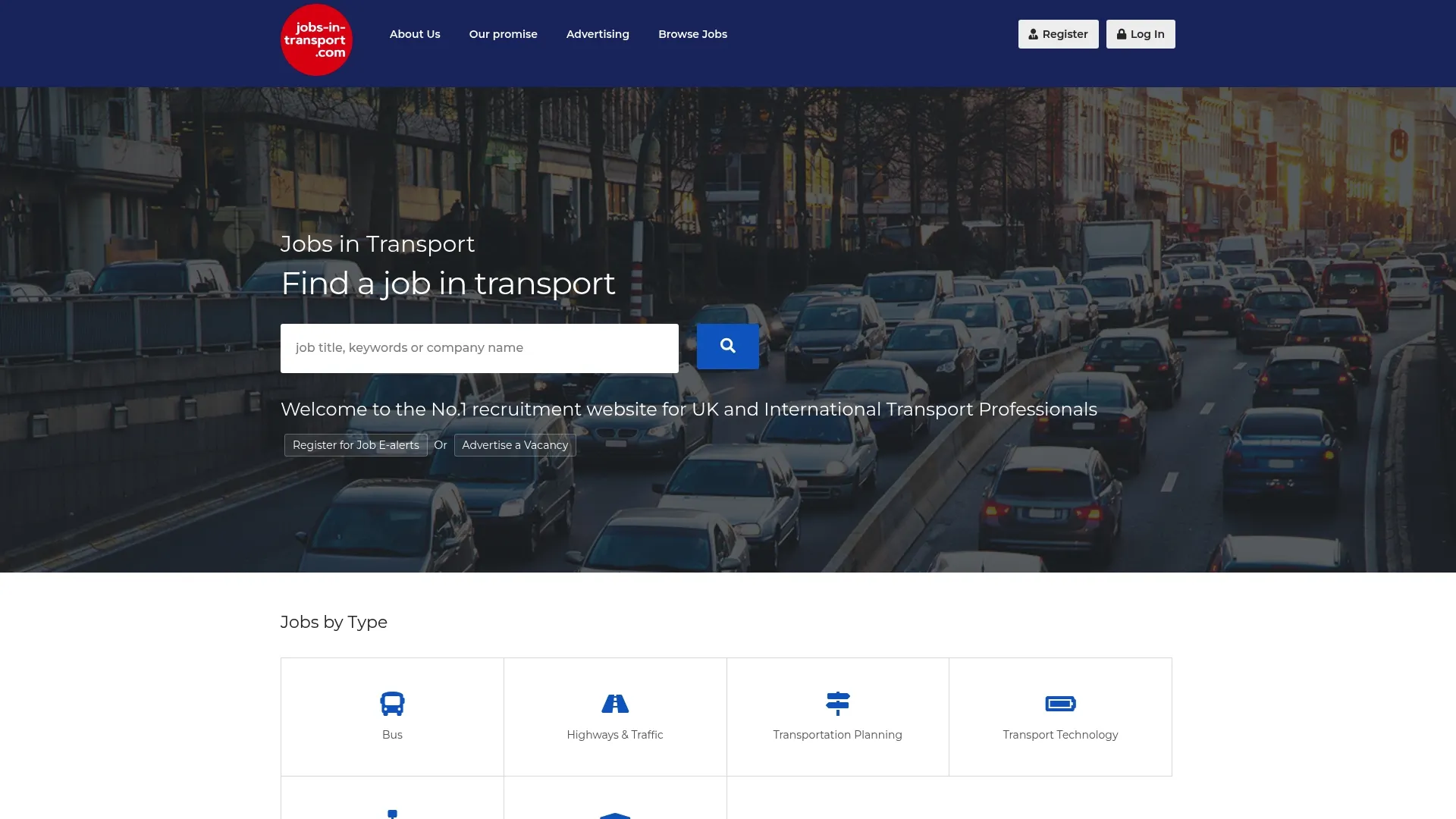
Explore current transport jobs across the UK and internationally, and use our platform tools to get noticed faster. You can build your online CV to increase your visibility to employers actively searching for candidates in your field. Find out more about what we offer job seekers when you visit about our platform. Your next high-demand role is closer than you think.
Frequently asked questions
Which transport jobs are most in demand in the UK?
HGV drivers, transport planners, rail engineers, logistics coordinators, and fleet managers are consistently sought after across the UK. The HGV driver shortage is particularly acute, requiring large-scale annual recruitment to keep supply chains functioning.
What qualifications do I need for high-demand transport roles?
Qualifications range from specialist licences and vocational training to university degrees, depending on the role. Many employers actively support upskilling through funded programmes, so the starting point matters less than commitment to developing the right credentials.
Are transport jobs well paid compared to other sectors?
Many high-demand roles offer competitive salaries. HGV drivers in particular can rival white-collar professions due to persistent shortages pushing pay upward across the sector.
What are the main hurdles to entering the transport sector?
High insurance premiums, training costs, and licensing requirements are the biggest obstacles. Training and insurance costs hinder many new entrants, but government funding and employer-backed schemes exist specifically to help people overcome these barriers.
Recommended
- Jobs in Transport, Bus jobs, Highways & Traffic jobs, Transportation Planning jobs, Transport Technology jobs, Project Management jobs, Transport Leaders jobs
- Jobs in Transport, Bus jobs, Highways & Traffic jobs, Transportation Planning jobs, Transport Technology jobs, Project Management jobs, Transport Leaders jobs
- Corporate transport explained: benefits, options and best practices


