
The transport sector is not shrinking under the weight of automation. It is expanding. The transportation and warehousing sector is projected to grow 3.0% from 2024 to 2034, adding nearly 198,800 jobs across a wide range of specialisms. For logistics professionals, transport planners, and project managers, this is a pivotal moment. New roles are emerging, existing ones are transforming, and the skills employers value most are shifting fast. Whether you are actively job hunting or simply keeping an eye on where the industry is heading, understanding these trends now puts you well ahead of the competition.
Table of Contents
- Overview of transport job trends in 2026
- E-commerce and the rise of delivery and logistics roles
- Emerging demand for transport planners and project managers
- New and evolving roles: From automotive technicians to tech-driven jobs
- Our perspective: What most professionals miss about future transport careers
- Explore current transport job opportunities
- Frequently asked questions
Key Takeaways
| Point | Details |
|---|---|
| Sector growth confirmed | Transport and warehousing jobs are expanding, offering thousands of openings each year. |
| E-commerce shapes hiring | Demand for delivery drivers and logistics roles is high, but hiring is regionally varied. |
| Planning and tech skills vital | Transport planners, project managers, and tech-savvy candidates are best placed for future careers. |
| Traditional roles evolving | Jobs like automotive technicians remain relevant but increasingly require tech adaptation. |
Overview of transport job trends in 2026
The headline figure tells a clear story. The 198,800 projected new jobs across transportation and warehousing are not spread evenly. Some roles are accelerating rapidly while others face pressure from automation and shifting demand. Knowing which is which helps you make smarter career decisions.
E-commerce continues to reshape the sector from the ground up. Online retail growth has pushed demand for last-mile delivery and warehouse logistics roles to record levels. At the same time, infrastructure investment, particularly in green transport and urban mobility, is fuelling demand for planners, engineers, and project managers. Technology adoption, from route optimisation software to electric vehicle fleet management, is creating hybrid roles that blend traditional transport knowledge with digital skills.
Here is a snapshot of projected growth across key transport roles:
| Role | Projected growth (2024-2034) | Annual openings |
|---|---|---|
| Logisticians | 17% | 26,400 |
| Delivery truck drivers | 8% | 171,400 |
| Automotive service technicians | 4% | ~70,000 |
| Transport planners/project managers | Steady | Ongoing |
The roles with the highest raw volume of openings are in delivery and logistics. However, the highest percentage growth is in logistician and planning roles, which reflects a broader industry shift towards strategic coordination rather than purely operational work.
Sectors with the strongest hiring momentum include:
- Last-mile delivery and courier services
- Supply chain and logistics management
- Transport infrastructure planning
- Electric and autonomous vehicle support roles
- Traffic management and highways consultancy
For the latest sector movements and newly posted vacancies, the transport jobs hot news section is worth bookmarking. Staying current with hiring patterns is just as important as updating your CV.
E-commerce and the rise of delivery and logistics roles
Few forces have reshaped transport employment as dramatically as e-commerce. Consumer expectations for next-day and same-day delivery have created sustained, structural demand for drivers and logistics coordinators that shows no sign of slowing.

Delivery truck drivers are projected to see 8% growth by 2034, with 171,400 annual job openings. That is not a niche opportunity. That is one of the largest annual hiring volumes of any occupation in the transport sector. The sheer scale of fulfilment operations at major retailers and third-party logistics providers is driving this demand.
But the picture is not uniformly positive. As supply chain hiring in 2026 shows, growth in logistics and delivery is real but uneven. Some regions are experiencing rapid expansion while others face consolidation. Professionals who understand interstate logistics changes and cross-border supply chain dynamics are particularly well-positioned.
Here is how delivery and logistics roles compare on key dimensions:
| Factor | Delivery drivers | Logistics coordinators |
|---|---|---|
| Growth rate | 8% | 17% (logisticians) |
| Annual openings | 171,400 | 26,400 |
| Salary trajectory | Moderate | Strong |
| Tech skill requirement | Low to moderate | High |
| Remote work potential | None | Moderate |
The top skills now in demand for these roles include:
- Route planning and navigation software proficiency
- Warehouse management system (WMS) knowledge
- Data analysis for supply chain optimisation
- Customer service and communication
- Compliance and regulatory awareness
Pro Tip: When applying for logistics roles, highlight any experience with specific software platforms such as SAP, Oracle, or even basic fleet management tools. Employers in 2026 are filtering CVs for digital literacy before they even look at driving experience or years of service.
For broader sector news and updates on where hiring is most active, keeping tabs on regional employer activity will help you target applications more effectively.
Emerging demand for transport planners and project managers
While delivery roles dominate the volume statistics, the fastest-growing area in terms of strategic value is transport planning and project management. These roles sit at the intersection of infrastructure investment, policy, and technology, and demand for them is being driven by several converging forces.
Major infrastructure programmes across the UK and internationally are creating sustained demand for professionals who can manage complex, multi-stakeholder projects. Green transport initiatives, including electric vehicle charging networks, active travel infrastructure, and low-emission zones, require planners who understand both the technical and regulatory landscape. The Occupational Outlook Handbook confirms ongoing and growing demand for transport planners and project managers as infrastructure investment continues.
Key skills and qualifications that employers are prioritising include:
- Transport modelling and forecasting software (e.g. VISSIM, SATURN, CUBE)
- Project management qualifications (PRINCE2, APM, PMP)
- Knowledge of planning policy and environmental impact assessment
- Stakeholder engagement and public consultation experience
- GIS and spatial data analysis
- Understanding of sustainable transport frameworks
For those just entering the sector, graduate jobs in transport are increasingly structured around rotational programmes that build both technical and leadership competencies early. Employers are investing in developing planners from the ground up rather than waiting for fully formed candidates.
Pro Tip: When positioning your CV for planning or project management roles, lead with outcomes rather than responsibilities. Instead of “managed project timelines,” write “delivered a 12-month highway improvement scheme two weeks ahead of schedule and 4% under budget.” Quantified results get interviews. Generic descriptions do not.
Browsing current transport sector job listings will give you a real-time view of which planning disciplines are most in demand in your region. You can also review employer trends to understand what organisations are actively recruiting and what they are prioritising in candidates.
New and evolving roles: From automotive technicians to tech-driven jobs
Not every transformation in transport employment is about brand-new job titles. Many of the most significant shifts are happening within established roles, as technology changes what those jobs actually involve on a day-to-day basis.
Automotive service technicians and mechanics remain in steady demand, with approximately 70,000 annual openings projected across 2024 to 2034 and 4% overall growth. But the nature of the work is changing. Electric vehicles require different diagnostic skills, battery management knowledge, and software-based fault analysis. Technicians who invest in EV-specific training now are positioning themselves for the most in-demand version of this role.

At the strategic end, logisticians are seeing 17% projected growth by 2034, with 26,400 annual openings. This growth reflects how central supply chain coordination has become to virtually every sector of the economy.
Here is how the skills landscape is shifting across key evolving roles:
| Role | Traditional skills | Emerging skills needed |
|---|---|---|
| Automotive technician | Mechanical repair | EV diagnostics, software tools |
| Logistician | Inventory management | Data analytics, automation systems |
| Transport planner | Traffic modelling | GIS, sustainability frameworks |
| Fleet manager | Vehicle scheduling | Telematics, predictive maintenance |
For professionals looking to transition into more tech-driven roles, here are practical steps to follow:
- Identify which digital tools are standard in your target role and complete a short course or certification
- Seek out projects or secondments within your current organisation that involve technology implementation
- Build a portfolio of outcomes that demonstrate your adaptability, not just your current job title
- Connect with peers in adjacent roles to understand what skills gaps employers are trying to fill
As noted in resources covering new transport job roles, the transition from traditional to tech-enabled positions is most successful when professionals take a proactive rather than reactive approach. Keeping up with sector innovation updates helps you spot these transitions before they become urgent.
Our perspective: What most professionals miss about future transport careers
Most career advice in transport focuses on which job titles are growing. That is useful, but it misses the deeper shift. The professionals who will thrive over the next decade are not necessarily those chasing the hottest job title. They are the ones building transferable skills that cut across multiple roles.
There is a tendency in this industry to define yourself by your current specialism. A traffic engineer. A logistics coordinator. A fleet manager. But employers increasingly want people who can move fluidly across functions as projects evolve and technology changes the shape of teams. The biggest career risk right now is not being replaced by automation. It is staying passive while the skills landscape moves around you.
Continuous learning and deliberate networking are not optional extras. They are the mechanism by which transport professionals stay relevant. Reading graduate perspectives on entering the sector is genuinely instructive even for experienced professionals, because new entrants often signal where employer priorities are heading. The future belongs to those who treat their career as a living project, not a fixed destination.
Explore current transport job opportunities
Understanding where the sector is heading is only useful if you act on it. The trends covered here point to real, available opportunities across delivery, logistics, planning, and emerging tech-driven roles. The next step is putting yourself in front of the right employers at the right time.
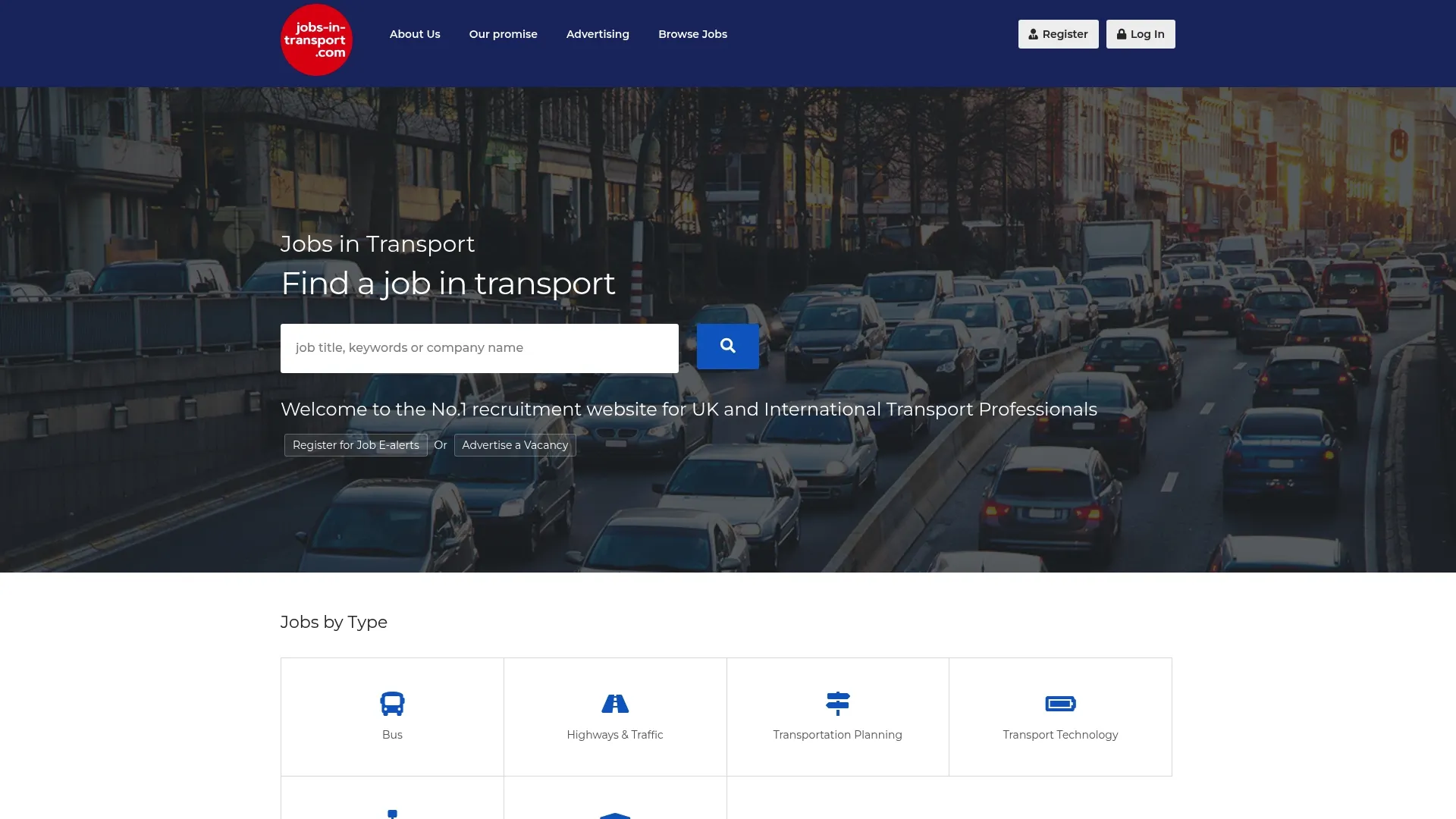
Jobs-in-Transport.com has been connecting transport professionals with relevant opportunities since 2005. Whether you are looking for your next senior planning role or exploring a move into logistics management, you can explore transport job listings across the UK and internationally. If you want to understand more about how the platform works and the resources available to you, take a moment to learn about our services. The right role is out there. Make sure you are visible to the employers filling it.
Frequently asked questions
Which transport roles are growing fastest in 2026?
Logisticians lead growth at 17% projected by 2034, while delivery truck drivers follow at 8%, both driven by e-commerce and supply chain expansion.
How has e-commerce affected transport job opportunities?
E-commerce has generated strong, sustained demand for delivery and logistics roles, though hiring remains uneven by region, with some areas seeing rapid growth and others consolidating.
What skills are most valuable for future transport careers?
Tech literacy, planning capability, and adaptability are the skills employers are prioritising, as confirmed by ongoing occupational demand data for transport planners and project managers.
Are traditional jobs like automotive technicians still in demand?
Yes. Automotive service technicians still see approximately 70,000 annual openings projected, though EV and software skills are increasingly expected alongside traditional mechanical expertise.
Recommended
- Jobs in Transport, Bus jobs, Highways & Traffic jobs, Transportation Planning jobs, Transport Technology jobs, Project Management jobs, Transport Leaders jobs
- Jobs in Transport, Bus jobs, Highways & Traffic jobs, Transportation Planning jobs, Transport Technology jobs, Project Management jobs, Transport Leaders jobs


