
Transport recruitment in 2026 is defined by acute labour shortages, rising hiring costs, and a rapid shift towards AI-assisted hiring and flexible workforce models. The American Trucking Associations projects a driver shortfall of 174,000 by the end of this year, while logistics hiring costs have climbed 22% year on year. Employment for logisticians is projected to grow 17% between 2024 and 2034. For transport employers and recruiters, understanding these transport recruitment trends 2026 is not optional. It is the foundation of every workforce decision you make this year.
1. What are the current workforce shortages in transport?
The transport sector faces its most severe staffing crisis in a generation. The 174,000 driver shortfall projected by the American Trucking Associations is not a distant forecast. It is the reality employers are managing right now. The knock-on effects reach every part of the supply chain, from last-mile delivery to freight logistics.

The scale of disruption is broad. Three in four supply chain organisations report being directly affected by workforce shortages, with consequences including mandatory overtime, deferred infrastructure projects, and accelerating burnout among existing staff. These are not temporary pressures. They compound over time and erode retention.
Senior logistics roles present a separate challenge. Leadership positions take over 90 days to fill on average, partly because the strongest candidates are rarely actively searching. They are already employed and not browsing job boards. Reaching them requires a different approach entirely.
- Driver shortfalls are creating cascading delays across freight and last-mile delivery networks.
- Supply chain leadership vacancies extend operational risk for months at a time.
- Burnout among remaining staff accelerates further attrition, worsening the cycle.
Pro Tip: Build relationships with specialist transport recruiters before you have a vacancy. Senior hires are almost always filled through niche networks before a role is ever publicly advertised.
2. How is AI transforming transport recruitment in 2026?
Artificial intelligence is now a standard part of the transport hiring process, though adoption varies significantly. 15% of transport organisations use AI extensively in recruiting, while 43% apply it in a limited capacity for application processing and candidate matching. That gap represents a significant competitive advantage for employers who move faster.
AI-powered workflows are reshaping the early stages of hiring. Automated screening filters high-volume applications in minutes rather than days. Scheduling tools remove the back-and-forth of interview coordination. Candidate matching algorithms surface relevant profiles that a human reviewer might overlook in a large applicant pool.
The benefits are real, but so are the limits. AI in transport hiring requires human oversight at every compliance and safety-critical decision point. Licence verification, background checks, and medical fitness assessments cannot be delegated to an algorithm without risk. The most effective hiring teams use AI to handle volume and humans to handle judgement.
“Transportation hiring increasingly relies on AI for screening and onboarding, but human judgement remains critical for compliance and safety reasons.” — First Advantage, 2026
3. Why flexible employment models are reshaping transport hiring
Flexible and gig-based employment is no longer a niche arrangement in transport. 41% of transport employers are now moving towards flexible or gig-based workforce models. That shift reflects both cost pressure and a genuine change in what workers expect from employment.
Global workforce mobility is rising alongside it. 51% of transport employers now report more candidates with multi-country work histories than in previous years. For UK employers, this means a broader talent pool but also more complex screening and compliance requirements. Verifying credentials across multiple jurisdictions takes time and specialist knowledge.
- Assess which roles in your operation are genuinely suited to flexible or contract arrangements.
- Build a compliance process that handles multi-jurisdiction licence and background verification.
- Partner with a single screening provider to reduce duplication and processing time.
- Review your onboarding process to accommodate workers who may join on short notice.
Pro Tip: When hiring internationally, use a single background screening provider across all markets. Consolidating verification through one partner reduces errors and cuts processing time significantly. The international hiring process is more manageable with standardised workflows.
4. Which skills are rising in demand across the transport sector?
The transport sector’s skills requirements are changing faster than most training programmes can keep pace with. Electric vehicle technology, data analysis, cybersecurity, and AI tools are now appearing in job specifications that previously required only mechanical or driving competencies. This is the direct result of fleet electrification, connected infrastructure, and the digitisation of logistics operations.
EV innovation is a particular pressure point. Hiring for electric vehicle roles requires a blend of vehicle-level electrical and mechanical expertise alongside cloud architecture and software skills. No single candidate profile covers all of it. Employers who wait for the perfect hire will wait a long time.
The National Cooperative Highway Research Program advises employers to evaluate upskilling current staff against hiring new talent, rather than defaulting to external recruitment. For many roles, a current employee with strong foundational skills and targeted training is a faster and cheaper solution than a six-month external search.
- EV battery systems and charging infrastructure knowledge are in short supply across the UK.
- Data analysis skills are increasingly required in logistics planning and fleet management roles.
- Cybersecurity awareness is now a baseline requirement for roles involving connected vehicle systems.
- Collaboration with colleges and training providers builds a sustainable pipeline for emerging skills.
Pro Tip: Recruit from adjacent industries such as aerospace, rail, and utilities. Candidates from these sectors carry transferable technical skills and often adapt quickly to transport environments. Addressing skill gaps through adjacent-industry hiring is faster than building from scratch.
5. How rising recruitment costs are changing transport hiring strategies
Logistics hiring costs rose 22% year on year in 2026. That increase is driven by a combination of signing bonuses, specialist recruiter fees, and the extended vacancy periods that result from a thin candidate market. Each week a senior role sits unfilled carries a direct operational cost.
The financial pressure does not stop at the point of hire. Early attrition is a significant drain. Structured onboarding during the first 90 days reduces quit rates by approximately 35%. That figure makes a compelling case for investing in onboarding as a cost-control measure, not just a people management nicety.
| Cost driver | Impact |
|---|---|
| Signing bonuses | Increasing offer competitiveness but raising total hire cost |
| Recruiter fees | Higher for specialist and senior logistics roles |
| Extended vacancies | Overtime costs and deferred projects accumulate weekly |
| Early attrition | Repeat hiring costs within the first quarter |
| Onboarding investment | Reduces 90-day quit rates by approximately 35% |
Driver search interest on Google has declined 21% year on year, even as job postings increase. Fewer candidates are actively looking while more employers compete for them. That dynamic pushes costs up further and makes passive candidate engagement a financial priority, not just a nice-to-have.
Pro Tip: Implement a structured 30/60/90-day onboarding programme with scheduled check-ins at each milestone. New hires who feel supported in the first three months are far less likely to leave, and the cost saving from avoided repeat recruitment is substantial.
Key takeaways
Transport recruitment in 2026 requires employers to act on workforce shortages, AI adoption, flexible models, skills evolution, and rising costs simultaneously rather than sequentially.
| Point | Details |
|---|---|
| Driver shortfall is critical | The 174,000 driver deficit demands proactive sourcing, not reactive job posting. |
| AI handles volume, not judgement | Use AI for screening and scheduling; keep humans in charge of compliance decisions. |
| Flexible models are mainstream | 41% of employers are shifting to gig or flexible arrangements to address shortages. |
| Skills gaps require dual strategy | Upskill existing staff and recruit from adjacent industries for technical roles. |
| Onboarding reduces cost | Structured 90-day onboarding cuts early quit rates by approximately 35%. |
What I’ve learned about recruiting in transport right now
The conversation about transport recruitment in 2026 often focuses on technology and data, and rightly so. But the employers I see navigating this market well share one quality that no algorithm provides: patience combined with preparation. They build recruiter relationships before they need them. They know their senior candidates by name before a vacancy opens.
The AI adoption debate is real but slightly misframed. The question is not whether to use AI. At 43% limited adoption across the sector, it is already the norm. The question is where you draw the line between automation and human decision-making. In a safety-critical industry, that line matters enormously. Getting it wrong is not just an HR problem. It is a regulatory and reputational one.
The skills challenge is the one that concerns me most over the medium term. EV technology, data analysis, and cybersecurity are not skills you can hire your way out of quickly. The employers who are already partnering with colleges and training providers, and who are actively looking at adjacent industries like rail and utilities, will be in a far stronger position in three years than those waiting for the perfect candidate to appear.
Flexible workforce models are genuinely useful, but they require infrastructure. Compliance, screening, and onboarding processes built for permanent staff do not translate cleanly to gig workers or international candidates. Build the process before you scale the model.
— Rob
How Jobs-in-transport supports your hiring in 2026
Transport employers facing the pressures outlined above need a recruitment platform that understands the sector, not a generic job board.
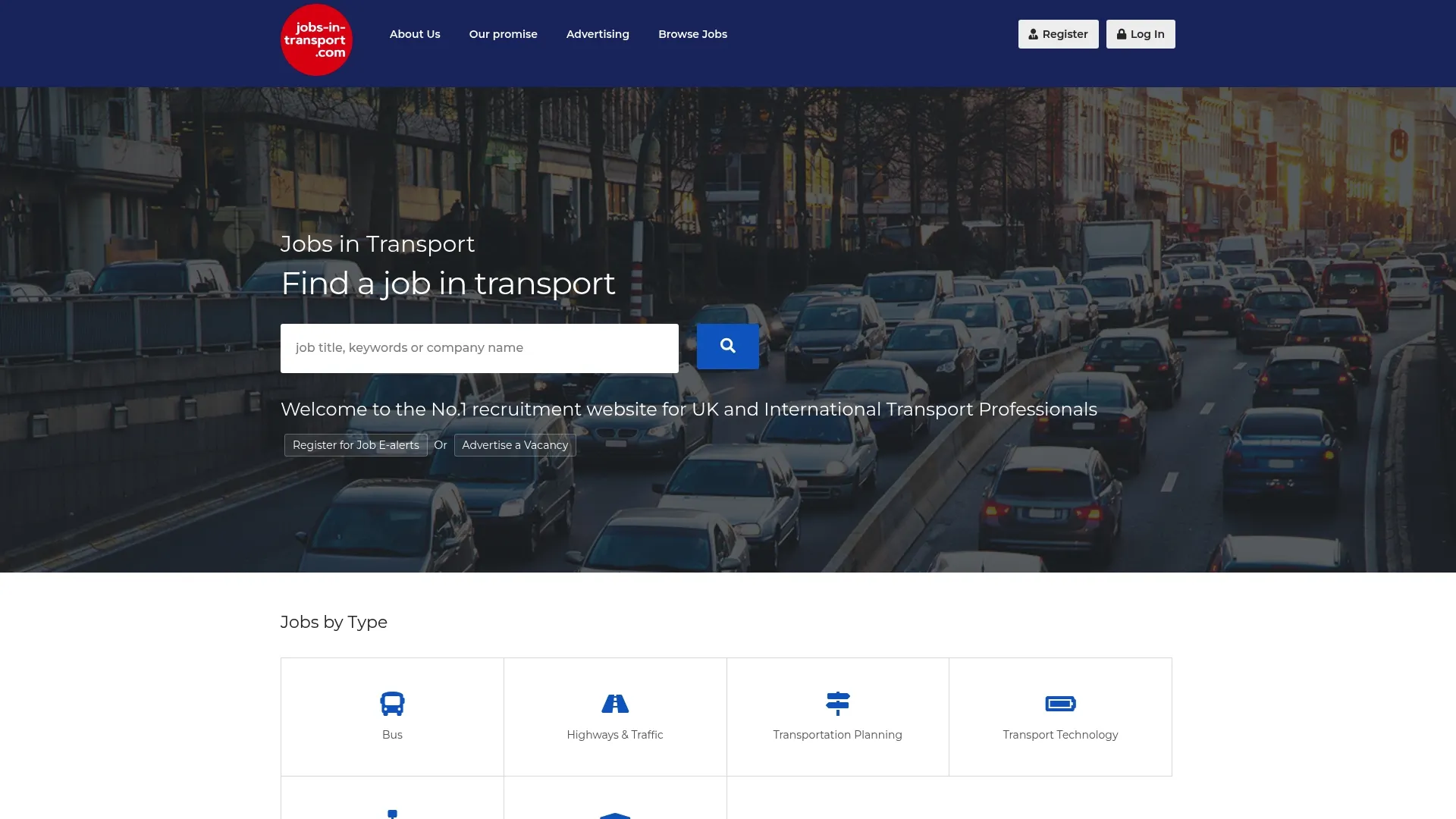
Jobs-in-transport has connected transport professionals with relevant opportunities since 2005. The platform covers highways, traffic management, transportation planning, transport technology, project management, and logistics leadership roles across the UK and internationally. Whether you are filling a driver vacancy or a senior logistics director post, browse current transport roles to reach candidates who are already engaged with the sector. Employers can post vacancies, build profiles, and access a targeted pool of transport professionals. For jobseekers, CV hosting and job alerts mean you never miss a relevant opening. Visit Jobs-in-transport to see how the platform works for both sides of the hiring process.
FAQ
What is the biggest transport recruitment challenge in 2026?
The driver shortfall is the most acute pressure point. The American Trucking Associations projects a deficit of 174,000 drivers by the end of 2026, with logistics hiring costs rising 22% year on year as a direct consequence.
How widely is AI used in transport recruitment?
15% of transport organisations use AI extensively in recruiting, while 43% apply it in a limited capacity for application screening and candidate matching, according to First Advantage research published in 2026.
Why are transport leadership roles so hard to fill?
Senior logistics candidates are rarely actively job-seeking. Most leadership roles are filled through specialist recruiter networks before they are publicly advertised, making proactive relationship-building the most effective hiring strategy.
What skills are most in demand in transport hiring right now?
EV technology, data analysis, cybersecurity, and AI tool proficiency are the fastest-growing requirements. Employers are advised to combine targeted upskilling of existing staff with recruitment from adjacent industries such as rail and utilities.
Does flexible working help address transport labour shortages?
41% of transport employers are already moving towards flexible or gig-based models to address shortages. Flexible arrangements expand the available talent pool but require robust compliance and screening processes, particularly for candidates with multi-country work histories.


