
Transport sector interview tips are practical strategies candidates use to demonstrate operational knowledge, sound judgement, and professionalism during hiring assessments. The transport industry demands more than a polished CV. Hiring managers test composure under pressure, familiarity with systems such as TMS (Transport Management Systems), ERP (Enterprise Resource Planning), and WMS (Warehouse Management Systems), and the ability to make clear decisions when priorities conflict. This guide covers the most effective preparation methods, behavioural frameworks, and live interview tactics to help you secure your next role in 2026.
1. How to research the role and company before your interview
Targeted research is the single biggest differentiator between candidates who feel confident and those who stumble on basic questions. Researching a company’s values and transport operations signals genuine interest and industry awareness to interviewers. That preparation also shapes every answer you give.
Start with the job description. Read it at least twice and extract every technical term. If the role mentions TMS, ERP, or WMS, those are not decorative. Spending at least 30 minutes on the job description to align with these technical requirements helps you pass automated screening and signals operational competence from the first exchange. Candidates who mirror the employer’s own language in their answers consistently perform better.
Use these sources to build your picture of the employer:
- The company website, particularly the “About us” and services pages
- LinkedIn company profiles and recent posts
- Sector news from publications such as Transport Network and Highways Magazine
- The Jobs-in-transport hot news feed for current industry developments
Pro Tip: Write down three specific facts about the company before the interview. Weave one into your answer when asked why you want the role. It shows preparation that most candidates skip.
2. What behavioural skills do transport employers look for?
Transport employers prioritise operational maturity above almost every other quality. Candidates must remain composed when unexpected disruptions occur and demonstrate clear communication, safety awareness, and compliance instincts. These qualities reflect real-world logistics demands, not abstract ideals.
The behavioural traits that consistently impress hiring panels are:
- Composure under pressure. Can you stay calm when a shipment is delayed, a driver is unavailable, or a customer is escalating? Give a real example.
- Communication clarity. Transport operations involve multiple stakeholders. Show you can brief a team, update a client, and escalate to a manager without creating confusion.
- Adaptability. Disruptions are routine in transport. Describe a time you changed your approach mid-operation and explain what you learned.
- Problem-solving with constraints. The best answers show you worked within real limits, not ideal conditions.
- Leadership and initiative. Even in junior roles, taking ownership of a problem before being asked is a strong signal.
The STAR method structures behavioural answers clearly: Situation, Task, Action, Result. Interviewers prefer this format because it produces concise narratives rather than rambling stories.
Pro Tip: Prepare four STAR examples before any transport interview. Cover one disruption, one team conflict, one process improvement, and one customer-facing challenge. Most behavioural questions map to one of these four.

3. How to prepare for technical and scenario-based questions
Technical questions in transport interviews test your ability to think through real operational problems, not just recall facts. Scenario questions typically involve shipment delays, carrier failures, inventory discrepancies, or compliance breaches. The interviewer is not looking for a perfect answer. They are watching how you think.
Structure your preparation around these common scenario types:
- Shipment delay scenarios. What do you do first? Who do you contact? How do you protect the customer relationship?
- Carrier or supplier failure. How do you find an alternative? What are your approval thresholds?
- Inventory or warehouse discrepancy. How do you investigate root cause before acting?
- Compliance or safety breach. What is your immediate priority?
Candidates who explicitly acknowledge trade-offs such as speed versus cost or service level versus efficiency perform better in transport case questions. This shows the ability to balance competing priorities in live operations.
| Scenario type | What the interviewer is testing |
|---|---|
| Shipment delay | Prioritisation, communication, customer focus |
| Carrier failure | Problem-solving, supplier knowledge, decisiveness |
| Compliance breach | Safety instinct, regulatory awareness, escalation judgement |
| Inventory discrepancy | Root cause analysis, process discipline |
Operational efficiency metrics such as reduced turnaround times, improved on-time performance, and fewer exceptions are the strongest achievements to highlight. Focusing on measurable outcomes rather than duties makes your answers credible and memorable.
Pro Tip: Prepare at least one STAR answer for each scenario type above. Include a specific metric in the Result step, even if it is approximate. “We reduced delays by roughly 20% over three months” is far stronger than “things improved.”
4. What practical tips help candidates stand out during the interview?
The live interview is where preparation either shows or falls apart. Presentation and behaviour during the session itself carry significant weight in transport hiring decisions.
Follow these practical steps to perform at your best:
- Dress for the sector. Transport roles range from office-based planning to site operations. When in doubt, dress one level above what the role requires. A clean, professional appearance signals respect for the process.
- Ask operational questions. Generic questions such as “What does success look like?” are forgettable. Ask about current operational challenges, fleet management priorities, or how the team handles peak periods. These questions demonstrate commercial awareness.
- Use transport terminology correctly. Reference OTIF (On Time In Full), KPIs, or modal shift where relevant. Correct use of sector language shows you understand the work, not just the words.
- Show calm prioritisation. When faced with a complex question, pause briefly before answering. Hiring managers notice candidates who think before they speak.
- Follow up after the interview. Send a brief, professional email within 24 hours. Thank the panel, reference one specific point from the conversation, and restate your interest. Most candidates do not do this. It stands out.
You can review employer profiles on Jobs-in-transport before your interview to understand what specific organisations value in their candidates.
5. How to handle high-pressure situational questions
High-pressure situational questions are the defining moment of most transport interviews. The question is designed to see whether you panic, ramble, or think clearly. Transport interviews test composure and operational maturity more than trick questions. Staying calm and prioritising correctly is what separates strong candidates.
The triage map framework is the most effective tool for structuring your response. Experienced logistics professionals use a triage map to rank issues by safety, compliance, cost, customer impact, and reversibility. Apply this ranking out loud in your answer. It shows structured thinking rather than reactive instinct.
Hiring managers favour candidates who pause to diagnose root causes before proposing solutions. This reflects seasoned operational thinking. Jumping straight to a fix without acknowledging the cause signals inexperience.
| Triage priority | Why it matters in an interview answer |
|---|---|
| Safety | Always leads. Skipping it signals poor judgement. |
| Compliance | Regulatory breaches carry legal consequences. Show awareness. |
| Customer impact | Demonstrates commercial and service orientation. |
| Cost | Shows financial awareness without letting it override safety. |
| Reversibility | Signals that you consider downstream consequences. |
In senior transport interviews, explaining your decision-making logic and the operational constraints you faced is more important than just stating results. Articulating trade-offs and context demonstrates commercial awareness and deeper understanding.
Pro Tip: When answering a situational question, say the triage order out loud: “My first concern is safety, then compliance, then customer impact.” This signals a structured mind even before you reach your solution.
Key takeaways
The most effective transport interview preparation combines technical knowledge, structured behavioural frameworks, and calm, deliberate performance during the live session itself.
| Point | Details |
|---|---|
| Research the role deeply | Spend at least 30 minutes on the job description and extract every technical keyword. |
| Use the STAR method | Structure every behavioural answer with Situation, Task, Action, and Result for clarity. |
| Apply the triage map | Rank scenario problems by safety, compliance, customer impact, cost, and reversibility. |
| Highlight measurable outcomes | Reference specific metrics such as on-time performance improvements rather than listing duties. |
| Follow up after the interview | Send a professional email within 24 hours referencing a specific point from the conversation. |
What actually impresses transport hiring managers in 2026
The candidates I see succeed in transport interviews are rarely the ones with the longest CVs. They are the ones who sound like they have already done the job.
Operational maturity is the quality that hiring managers in 2026 are most hungry for. That means knowing when to escalate, when to act independently, and when to pause and gather more information before committing. Candidates who demonstrate this in their answers, rather than just claiming it, consistently move to the next round.
The biggest mistake I see is over-explaining. Candidates who spend three minutes on the Situation and thirty seconds on the Result have their STAR method backwards. The Result and the Action are what the interviewer remembers. Keep the context brief and spend your time on what you did and what it achieved.
Commercial awareness is the other quality that separates good candidates from great ones. Knowing that your decision to switch carriers saved £15,000 in demurrage charges, or that your rerouting reduced delivery exceptions by 18%, tells the interviewer you understand the business, not just the operation. Prepare two or three numbers before every interview. They do not need to be exact. They need to be honest and specific.
The transport sector in 2026 is also evolving fast, with decarbonisation targets, modal shift pressures, and technology adoption all reshaping what employers need. Candidates who reference these trends in context, without forcing them, signal that they are thinking about the industry’s future, not just their own next role. That is the kind of candidate a hiring manager remembers.
— Rob
Your next transport role starts with the right preparation
Knowing what to say in an interview is only half the equation. You also need the right roles to apply for.
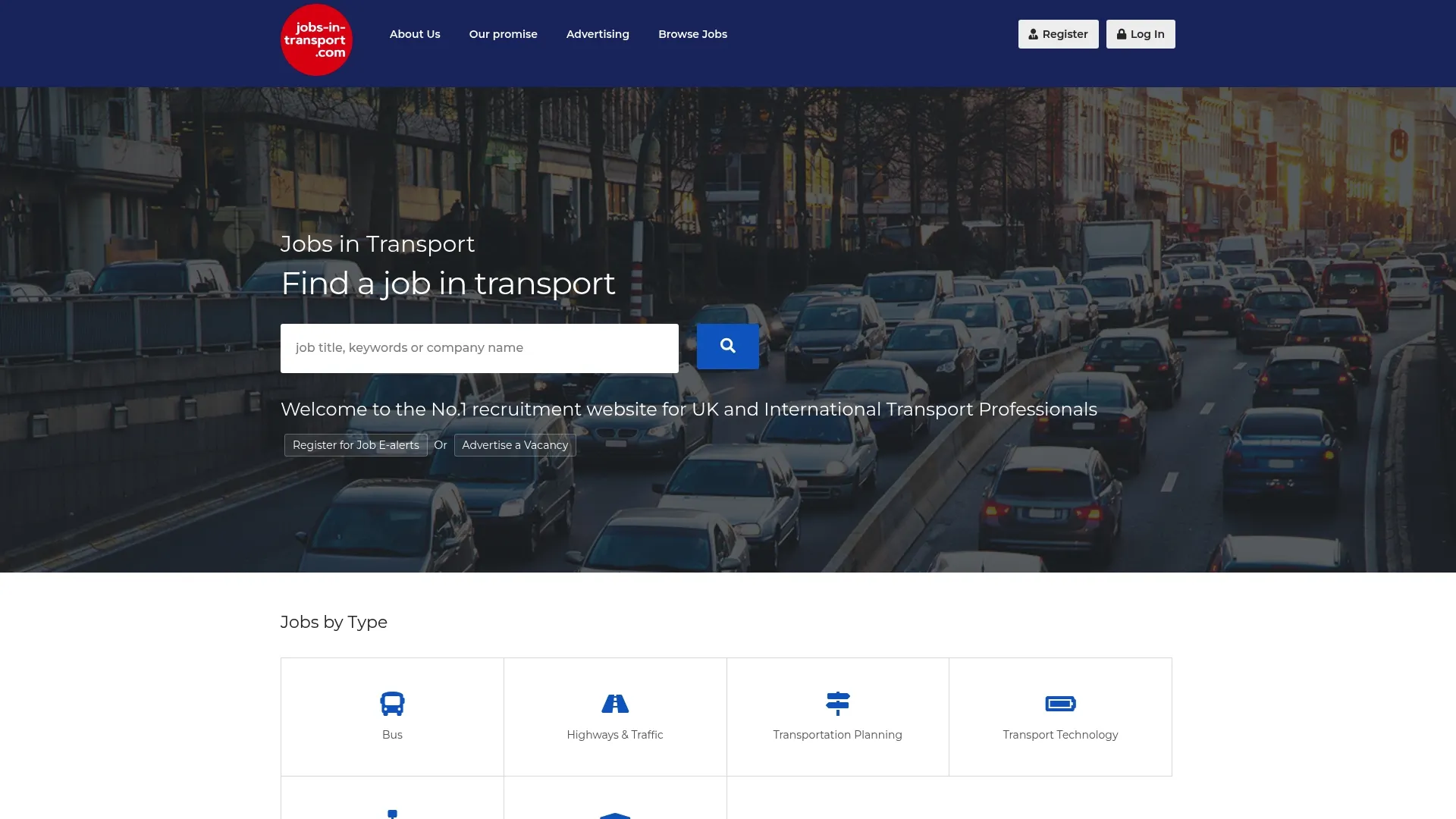
Jobs-in-transport has been connecting transport professionals with specialist roles across the UK and internationally since 2005. The platform lists positions across highways, traffic management, transportation planning, transport technology, and project management. You can browse current transport vacancies and set up alerts so you never miss a relevant opening. The online CV service makes your profile visible to employers actively recruiting in the sector. Whether you are preparing for your first transport interview or targeting a senior operations role, Jobs-in-transport gives you the tools to present yourself at your best.
FAQ
What is the STAR method and why does it matter in transport interviews?
The STAR method structures answers using Situation, Task, Action, and Result. Transport interviewers prefer this format because it produces clear, concise narratives that evidence real competence rather than vague claims.
What technical systems should I mention in a transport interview?
Reference TMS, ERP, and WMS where relevant to the role. Naming these systems correctly during the interview signals operational competence and helps your application pass automated screening tools.
How do I answer a high-pressure scenario question in a transport interview?
Use the triage map framework: rank the problem by safety first, then compliance, customer impact, cost, and reversibility. State your priorities out loud before proposing a solution to show structured thinking.
How long should I spend preparing for a transport sector interview?
Allocate at least 30 minutes to the job description alone, plus time to research the company and prepare four STAR examples. Thorough transport interview preparation covering both technical and behavioural questions is the most reliable route to a job offer.
Should I follow up after a transport interview?
Send a brief professional email within 24 hours. Reference one specific point from the conversation and restate your interest in the role. Most candidates skip this step, which makes it an easy way to stand out.


