
A transportation industry skills checklist is the definitive framework every transport professional and job seeker needs to benchmark their competencies, close gaps, and advance their career. The sector is changing faster than most workers realise. 39% of transport role skills will be transformed or obsolete within five years, making structured self-assessment urgent rather than optional. The FMCSA Skill Performance Evaluation programme and Federal Transit Administration training frameworks already set the standard for what validated competence looks like. This checklist covers both the operational foundations and the digital fluency that employers now expect.
1. What belongs on a transportation industry skills checklist?
A transport skills checklist covers three distinct layers: operational hard skills, digital and technological competencies, and professional soft skills. Each layer carries weight with employers, and missing any one of them limits your progression. The industry term used by workforce bodies is “competency framework,” though skills checklist is the phrase most job seekers search for and most hiring managers use in practice. Both terms describe the same structured approach to evaluating readiness for a transport role.
The checklist format works because it forces specificity. Saying you are a “good driver” tells an employer nothing. Saying you hold a valid CPC qualification, have passed a Fleet Drivers Skills Assessment, and can demonstrate HOS compliance using an electronic logging device tells them everything they need.
2. Core operational skills every transport professional needs
Operational skills are the foundation of any transport career. Without them, no amount of digital fluency or soft skill polish will get you hired or keep you safe on the road.
The key operational competencies to assess yourself against include:
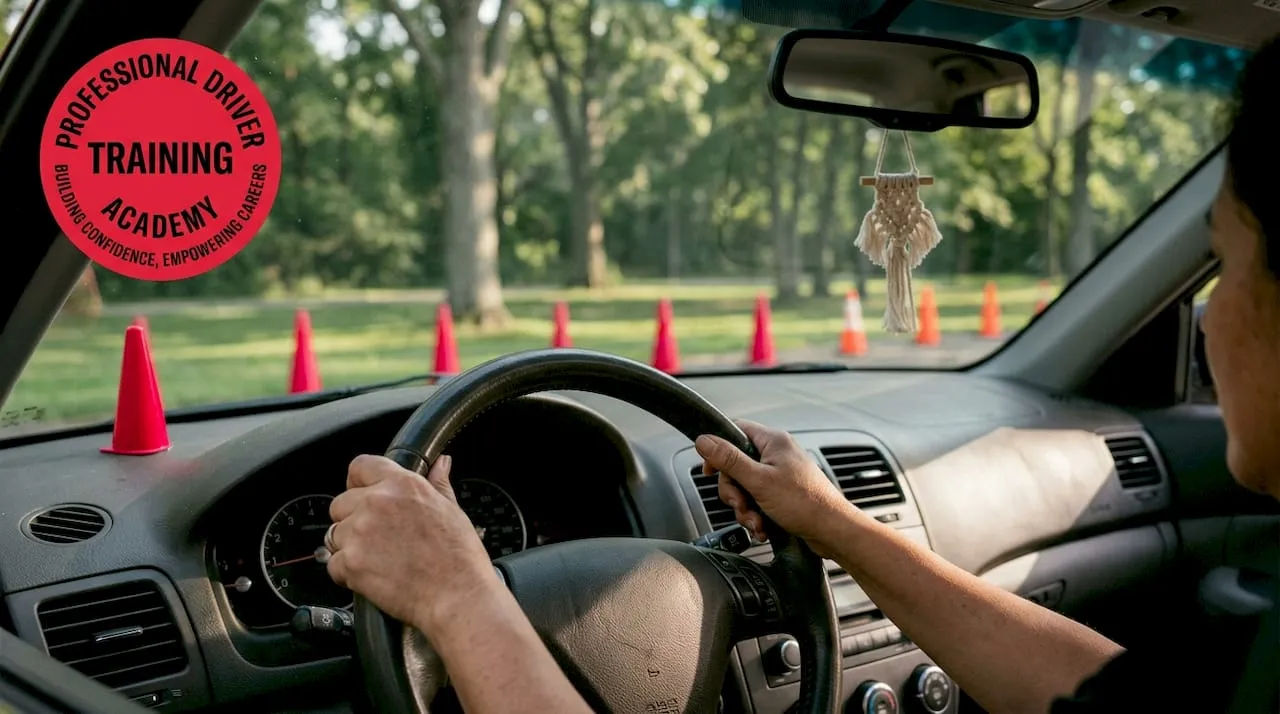
- Safe vehicle operation and manoeuvring. Backing manoeuvres such as 90-degree, offset, alley dock, and parallel are the most career-limiting skills in commercial driving assessments. They separate candidates who pass from those who fail.
- Pre-trip and post-trip vehicle inspections. Vehicle inspection knowledge prevents avoidable breakdowns and signals professional maturity to employers. It is a vigilance skill, not a box-ticking exercise.
- Hours of Service (HOS) compliance. Understanding HOS regulations and operating an electronic logging device correctly is a legal requirement in commercial driving, not an optional extra.
- Load and freight management. Knowing weight distribution, load securing regulations, and hazardous goods classifications protects you, your cargo, and other road users.
- Route planning and map reading. Digital navigation tools have not replaced the need to understand road networks, restrictions, and contingency routing.
Pro Tip: Practice backing manoeuvres in an empty car park before any formal CDL or licence assessment. Assessors report that backing is where most candidates lose marks, not on the open road.
3. What digital and technological skills are transforming transport careers?
Digital fluency is now a core requirement, not a bonus. 41% of work skills in transport roles face high exposure to generative AI transformation, and 26% of current job postings are already classified as highly transformed roles. That means the job you apply for today may look very different within two years.
The digital competencies employers prioritise most include:
- Transport Management Systems (TMS). Platforms such as SAP TM and Oracle TM are the standard digital tools for route optimisation, load planning, and logistics coordination. Familiarity with at least one enterprise TMS is a strong differentiator on any CV.
- Telematics and fleet software. Reading telematics data, interpreting driver behaviour reports, and using fleet dashboards for cost control are skills that move you from driver to supervisor territory.
- Data analytics basics. You do not need to be a data scientist. You do need to read a performance report, spot a trend, and act on it.
- Electronic logging devices (ELDs). ELD operation is already mandatory for most commercial drivers in regulated markets. Competence here is a baseline, not a selling point.
“Modern transport professionals must balance traditional operational skills with digital fluency to stay competitive. The professionals who advance fastest are those who treat technology as a tool to master, not a threat to avoid.”
The Federal Transit Administration’s training frameworks confirm this direction. Effective training programmes build foundational technical knowledge first, then layer in specialised digital competencies. That sequencing matters. Trying to learn TMS software before you understand basic logistics operations produces confusion, not capability.
Pro Tip: If you are new to TMS platforms, look for free introductory courses on SAP’s own learning portal. Listing even a foundational SAP TM certification on your CV signals genuine commitment to digital upskilling.
4. Which soft skills accelerate career progression in transport?
Soft skills determine who gets promoted and who stays in the same role for a decade. Time management, self-discipline, and customer communication impact earnings and management potential as much as technical proficiency. Employers know this, even when job adverts do not say it explicitly.
The soft skills that carry the most weight in transport include:
- Time management under pressure. Delivery windows are tight. Delays cascade. The ability to reprioritise calmly when a vehicle breaks down or a route closes is what separates reliable professionals from unreliable ones.
- Customer communication. Drivers and logistics coordinators who can manage customer expectations during service failures protect the company’s reputation. That skill has direct commercial value.
- Negotiation. Negotiating delivery windows, managing supplier relationships, and pushing back on unrealistic schedules are daily realities in logistics management roles.
- Written and verbal reporting. Incident reports, handover notes, and compliance documentation all require clear written communication. Poor writing creates legal and operational risk.
Tailoring your CV to sector-specific KPIs makes a measurable difference. In oil and gas transport, HSE metrics dominate. In FMCG logistics, cost per kilometre and on-time delivery rates are what hiring managers scan for first. Matching your skills section to the KPIs of your target sector shows you understand the business, not just the job.
Pro Tip: Add one quantified soft skill example to your CV for every role. “Maintained 98% on-time delivery rate across 200 weekly runs” is far more persuasive than “good time management.”
5. How to assess and validate your transport skills
Self-assessment is the starting point, but employer-recognised validation is what counts. The FMCSA Skill Performance Evaluation certificate programme has issued over 3,000 certificates to commercial drivers with physical impairments, enabling them to operate interstate. That scale demonstrates how formal validation opens doors that self-reported competence cannot.
A practical skills assessment approach works in three stages:
- Baseline self-assessment. Work through a structured checklist covering operational, digital, and soft skill categories. Rate yourself honestly against each item. Identify the gaps before an employer does.
- Formal testing. The Fleet Drivers Skills Assessment Test covers vehicle inspection, manoeuvring, HOS knowledge, and load management. Passing a recognised assessment gives you a credential you can reference in applications.
- Certification and CPD. Modular training programmes that build foundational knowledge before advancing to specialised skills produce the best outcomes. The Federal Transit Administration’s TC3 framework is a well-regarded model for this sequencing.
| Skill category | Recommended validation method |
|---|---|
| Vehicle operation | CDL assessment or national driving licence test |
| HOS and ELD compliance | Employer-administered compliance test |
| TMS and digital tools | SAP TM or Oracle TM introductory certification |
| Soft skills | Performance reviews and quantified CV examples |
| Safety and inspection | Fleet Drivers Skills Assessment Test |
Continuous learning is not optional given the pace of change. Skill weightings vary by sector, so revisit your checklist every time you change role or sector. What makes you competitive in road haulage may not be what a rail or aviation employer prioritises.
Key takeaways
A transport career in 2026 requires a structured mix of operational expertise, digital competency, and validated soft skills to remain competitive and progress.
| Point | Details |
|---|---|
| Operational skills remain foundational | Backing manoeuvres, vehicle inspection, and HOS compliance are non-negotiable for any commercial driving role. |
| Digital fluency is now a baseline requirement | TMS platforms, telematics, and ELD operation are expected, not exceptional, in most transport roles. |
| Soft skills drive promotion | Time management, customer communication, and negotiation determine who moves into management. |
| Validation beats self-reporting | Formal assessments and certifications such as FMCSA SPE certificates carry far more weight than CV claims alone. |
| Sector-specific tailoring matters | Align your skills profile to the KPIs of your target sector to stand out in competitive shortlists. |
What I have learned about skills in transport after years of watching careers stall
The professionals I see struggle most are not the ones who lack technical skills. They are the ones who stopped updating their skills profile after their first qualification. Transport is one of those sectors where standing still is the same as going backwards.
The digital shift is real and it is accelerating. 41% of transport skills are exposed to AI transformation. That is not a distant threat. It is already changing what employers shortlist for. The professionals advancing fastest right now are the ones who treat their skills checklist as a living document, not a one-time exercise.
My honest advice: do not wait for your employer to send you on a course. Identify the gap between where your skills sit today and where the job adverts in your target sector are pointing. Then close that gap deliberately. A foundational TMS certification, a Fleet Drivers Skills Assessment result, or a quantified soft skill example on your CV can shift you from the maybe pile to the interview pile faster than you expect.
The transport career resources available today make self-directed upskilling genuinely accessible. Use them.
— Rob
Transport jobs and career tools at Jobs-in-Transport.com
Jobs-in-transport has connected transport professionals with the right opportunities since 2005. Whether you are a driver looking to move into logistics coordination, a planner targeting a senior role, or a specialist in transport technology, the platform lists roles across highways, traffic management, transportation planning, and project management.
Browse current transport vacancies across the UK and internationally, and set up job alerts so you never miss a role that matches your skills profile. The platform also supports UK franchisee skills development for professionals moving into transport business ownership. Jobs-in-transport is where serious transport professionals go to take the next step.
FAQ
What is a transportation industry skills checklist?
A transportation industry skills checklist is a structured list of operational, digital, and soft skill competencies that transport professionals use to assess their readiness for a role or career progression. It covers areas from vehicle operation and HOS compliance to TMS proficiency and communication skills.
Which skills are most in demand for transport jobs in 2026?
Digital skills including TMS platforms, telematics, and ELD operation are the fastest-growing requirements. 39% of existing transport skills will be transformed or obsolete by 2030, making digital upskilling the most urgent priority for transport professionals.
How do I validate my transport skills for employers?
Formal assessments such as the Fleet Drivers Skills Assessment Test and certifications like the FMCSA Skill Performance Evaluation certificate provide employer-recognised proof of competence. Quantified examples on your CV, such as on-time delivery rates, also validate soft skills effectively.
Do soft skills really matter in transport careers?
Soft skills directly influence earnings and promotion prospects. Time management, customer communication, and negotiation are as important as technical proficiency for anyone targeting a management or supervisory role in transport.
How often should I update my transport skills checklist?
Review your skills checklist every time you change role, sector, or when significant regulatory or technological changes occur in your area of transport. Given that skill requirements are shifting rapidly, an annual review is the minimum.
Recommended
- Jobs in Transport, Bus jobs, Highways & Traffic jobs, Transportation Planning jobs, Transport Technology jobs, Project Management jobs, Transport Leaders jobs
- Jobs in Transport, Bus jobs, Highways & Traffic jobs, Transportation Planning jobs, Transport Technology jobs, Project Management jobs, Transport Leaders jobs


